


Introduction
NICE haematuria guidelines provide evidence-based advice for healthcare professionals on how to assess, investigate, and manage people who have blood in their urine. Haematuria is a common urinary symptom that may happen because of minor problems, such as infections, or more serious conditions affecting the kidneys, bladder, or urinary system.
The main aim of the NICE haematuria guidelines is to help doctors recognise warning signs early and decide when patients need further tests or specialist support. These recommendations are especially important because some urinary conditions can be treated more successfully when they are identified at an early stage.
Many people become concerned when they notice blood in their urine. While haematuria does not always mean a serious illness, it should never be ignored. A proper medical assessment can help find the reason and provide the right care.
What Is Haematuria?
Haematuria means blood is present in urine. It can be divided into two main types: visible haematuria and non-visible haematuria.
Visible haematuria occurs when a person can see blood in their urine. The urine may look pink, red, or dark brown. Even a small amount of visible blood should be discussed with a healthcare professional because it may require further investigation.
Non-visible haematuria means blood is detected through urine testing but cannot be seen by the person. It is often discovered during routine checks or when doctors investigate other symptoms.
The NICE haematuria guidelines explain that doctors should consider several factors, including age, symptoms, medical history, and risk factors, before deciding the next steps.
Why Blood in Urine Needs Attention
Blood in urine can have many causes. Some causes are simple and treatable, while others need detailed investigation. Urinary tract infections are one of the most common reasons for haematuria. They may also cause burning during urination, increased frequency, and discomfort.
Kidney stones are another possible cause. These stones can irritate the urinary tract and lead to bleeding, pain, and difficulty passing urine.
However, healthcare professionals must also consider more serious conditions. The NICE haematuria guidelines support careful assessment because unexplained blood in urine can sometimes be linked with cancers of the bladder, kidneys, or urinary system.
The purpose of these guidelines is not to create unnecessary fear but to make sure important conditions are identified quickly.
| Category | Details |
|---|---|
| Name | NICE Haematuria Guidelines |
| Full Name | National Institute for Health and Care Excellence Haematuria Guidance |
| Type | Medical Clinical Guidance |
| Created By | NICE (National Institute for Health and Care Excellence) |
| Country | United Kingdom |
| Medical Field | Urology and Urinary Health |
| Main Topic | Assessment of Blood in Urine (Haematuria) |
| Purpose | To guide doctors on testing, referral, and diagnosis |
| Applies To | Patients with visible or non-visible haematuria |
| Main Conditions Covered | Urinary infections, kidney problems, bladder and urinary cancers |
| Target Users | Doctors, nurses, and healthcare professionals |
| Age Focus | Adults with higher risk based on symptoms and age |
| Official Status | Evidence-based healthcare recommendation |
| Personal Details | Not applicable (not a person) |
| Family & Siblings | Not applicable |
| Height & Physical Appearance | Not applicable |
| Net Worth | Not applicable |
| Social Media | Available through official NICE channels |
Age and Referral Recommendations
Age is an important factor when assessing haematuria. As people get older, the risk of certain urinary conditions increases, so doctors pay close attention to age when deciding whether urgent referral is needed.
According to the NICE haematuria guidelines, adults aged 45 years or older with unexplained visible haematuria may need urgent investigation through a suspected cancer referral pathway.
People who experience visible haematuria that continues or returns after treatment for a urinary infection may also require further assessment.
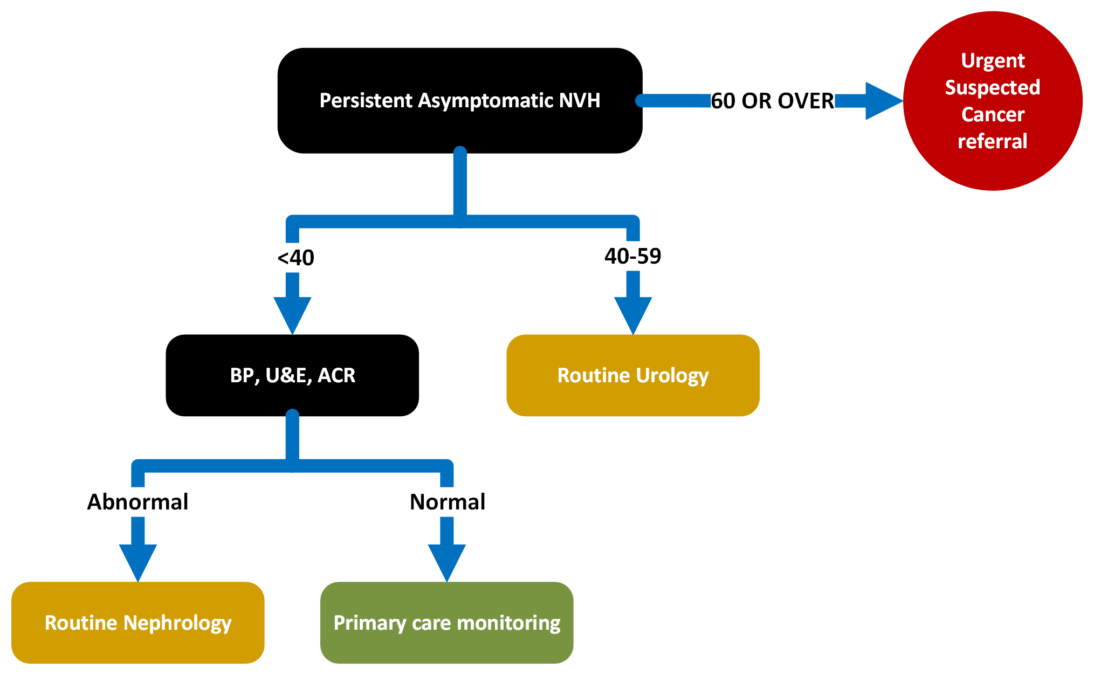
For non-visible haematuria, doctors consider additional symptoms and risk factors. Adults aged 60 years or older with certain urinary symptoms may need specialist review.
The decision is not based only on age. Doctors also consider smoking history, previous illnesses, family history, and other health concerns.
Tests Used for Diagnosis
When a patient reports blood in urine, doctors usually begin with a medical discussion and examination. They may ask about when symptoms started, whether the blood is visible, and whether there are other urinary changes.
Urine tests are commonly used to check for infection, blood, and other abnormalities. If an infection is found, treatment may be provided, but continued symptoms may require additional checks.
Blood tests can help assess kidney function and overall health. Depending on the situation, doctors may recommend imaging tests such as ultrasound or CT scans.
The NICE haematuria guidelines also highlight the importance of specialist assessment when there is a concern about urinary cancers. A urology specialist may perform a cystoscopy, which allows doctors to examine the inside of the bladder using a small camera.
Common Causes of Haematuria
There are many possible causes of blood in urine. Urinary tract infections, kidney stones, kidney disease, and bladder irritation are common examples.
Certain medications, injuries, and intense physical activity may also contribute to haematuria in some people.
In older adults, doctors carefully investigate unexplained cases because urinary cancers can sometimes present with blood in urine as an early symptom.
The NICE haematuria guidelines help healthcare professionals separate low-risk cases from situations where more urgent investigation is required.
Risk Factors and Lifestyle Considerations
Lifestyle choices can influence urinary health. Smoking is one of the major risk factors associated with bladder cancer because harmful substances from tobacco can affect the urinary system.
Drinking enough water, maintaining a healthy lifestyle, and attending medical appointments can support better urinary health.
Family history may also be important. People with relatives who have experienced certain kidney or urinary conditions may need closer monitoring.
Unlike a person’s biography, the NICE haematuria guidelines do not have details such as age, height, family background, net worth, physical appearance, or social media accounts. These guidelines are created by a healthcare organisation and are not connected to an individual.
Importance of Early Medical Advice
Many people delay visiting a doctor because they hope symptoms will disappear. However, unexplained blood in urine should always be checked.
Early assessment can provide reassurance if the cause is harmless, while also allowing serious conditions to be detected sooner.
Following the NICE haematuria guidelines helps doctors provide consistent care and ensures patients receive appropriate investigations based on their symptoms.
Patients should share important information with their doctor, including medication use, previous medical problems, urinary changes, and family health history.
Final Thoughts
The NICE haematuria guidelines play an important role in helping healthcare professionals assess people with blood in urine. They provide a structured approach for identifying risks, arranging tests, and making decisions about referrals.
Haematuria can have many explanations, and not every case is linked to a serious disease. However, proper assessment is essential because early diagnosis can improve outcomes for people with underlying health problems.
Understanding the NICE haematuria guidelines can help patients become more aware of urinary health and recognise when medical advice is needed. Paying attention to symptoms, maintaining healthy habits, and seeking professional support are important steps toward protecting long-term health.
