


Bruising and leukaemia are topics that are often discussed together because changes in the blood system can affect how the body controls bleeding. While most bruises happen because of everyday accidents, small injuries, or pressure on the skin, unexplained bruises may sometimes be connected to problems affecting blood cells.
Leukaemia is a type of cancer that starts in the bone marrow, the soft tissue inside bones responsible for making blood cells. When abnormal cells grow in the bone marrow, they can reduce the production of healthy platelets, red blood cells, and white blood cells. Since platelets help the blood clot, a low platelet count can make bruises appear more easily.
Understanding the causes, symptoms, and warning signs can help people know when they should seek medical advice and avoid ignoring unusual changes in their bodies.
What Is Leukaemia?
Leukaemia is a disease that affects the body’s blood-forming system. Normally, the bone marrow creates healthy blood cells that perform important functions. Red blood cells carry oxygen, white blood cells protect against infections, and platelets help prevent excessive bleeding.
In people with leukaemia, abnormal blood cells grow and multiply faster than normal cells. These unhealthy cells can take up space in the bone marrow and reduce the production of normal blood cells.
There are several types of leukaemia, including acute and chronic forms. Acute types often develop quickly and may require urgent medical care, while chronic forms may progress more slowly over time.
The symptoms can be different for every person. Some people may notice changes in their skin, while others may first experience tiredness, infections, or general weakness.
Why Bruising Happens
The connection between bruising and leukaemia is mainly caused by low platelet levels. Platelets are tiny blood cells that help stop bleeding by forming clots when blood vessels are damaged.
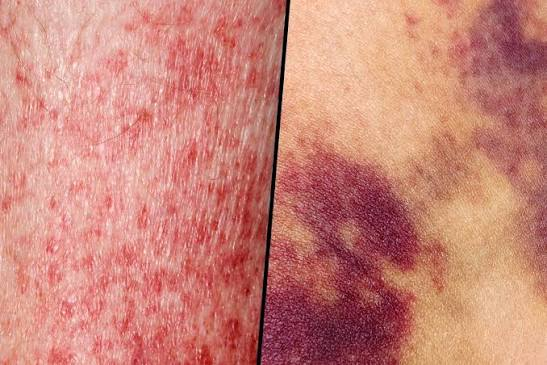
When platelet numbers become too low, even small bumps or minor injuries can cause blood to leak beneath the skin. This creates visible marks that may appear purple, blue, or red.
Some people may also develop tiny red or purple spots called petechiae. These spots happen when small blood vessels break and leak small amounts of blood under the skin.
However, not every bruise is a sign of a serious illness. Common reasons such as injuries, certain medicines, ageing, vitamin deficiencies, and physical activities can also cause bruising.
Common Warning Signs
People experiencing bruising and leukaemia symptoms may notice other changes in their health. One common sign is unusual tiredness or weakness, which can happen when the body does not have enough healthy red blood cells.
A shortage of red blood cells can lead to anaemia, making a person feel exhausted even after normal daily activities. Some people may also experience dizziness, pale skin, or shortness of breath.
Frequent infections can also occur because abnormal white blood cells may not work properly. The immune system may become weaker, allowing infections to happen more often.
Other possible symptoms include fever, night sweats, unexplained weight loss, swollen lymph nodes, bone pain, bleeding gums, and frequent nosebleeds.
Skin Changes and Bruises
The skin can sometimes show signs of changes happening inside the body. People with blood-related conditions may notice bruises appearing in unusual places or without remembering an injury.
In cases involving bruising and leukaemia, bruises may appear larger, happen more often, or take longer to disappear compared with normal bruises.
Some people may notice changes in skin colour or small spots that were not present before. These changes should not automatically cause fear, but they should be discussed with a healthcare professional if they continue.
Doctors usually look at skin symptoms together with blood test results and other health information before making a diagnosis.
Who Can Develop Leukaemia?
Leukaemia can affect people of different ages, including children, teenagers, adults, and older adults. Some forms are more common in certain age groups, but the disease can occur at any stage of life.
Children with leukaemia may experience symptoms such as frequent infections, tiredness, fever, and unusual bruising. Adults may experience similar symptoms, although the pattern can vary.
Certain factors may increase the risk of developing leukaemia. These can include genetic conditions, previous cancer treatments, radiation exposure, and some chemical exposures.
Family history can sometimes influence risk, but many people diagnosed with leukaemia do not have relatives with the disease.
How Doctors Diagnose It
Doctors usually begin by discussing symptoms and performing a physical examination. If there are concerns about bruising and leukaemia, blood tests are often recommended.
A complete blood count test checks the number of different blood cells in the body. It can show whether platelet, red blood cell, or white blood cell levels are unusual.
If doctors find abnormal results, they may suggest additional tests. A bone marrow examination can provide detailed information about how blood cells are being produced.
Early diagnosis allows doctors to create a treatment plan based on the person’s specific condition.
Treatment Options
Treatment for leukaemia depends on several factors, including the type of disease, the patient’s age, and overall health.
Chemotherapy is one of the most common treatments and works by destroying abnormal cells. Targeted therapies focus on specific changes within cancer cells, while immunotherapy helps the immune system fight harmful cells.
Some patients may need a stem cell transplant, which replaces unhealthy bone marrow with healthy blood-producing cells.
Medical research continues to improve treatment methods, giving many patients better chances of managing their condition and improving their quality of life.
When Should You See a Doctor?
People should seek medical advice if they notice repeated unexplained bruises, unusual bleeding, or several symptoms occurring together.
A single bruise is usually not a reason for concern, but frequent bruising without a clear cause should be checked. A doctor can perform tests to understand whether the issue is related to blood cells or another health condition.
Understanding bruising and leukaemia can help people recognize important warning signs without assuming that every bruise is dangerous.
Final Thoughts
Bruising and leukaemia are connected because changes in blood cell production can affect platelet levels and the body’s ability to control bleeding. However, bruising alone does not mean someone has leukaemia.
Many people experience bruises for simple reasons, but unusual or persistent changes should always be checked by a medical professional.
Learning about symptoms, getting regular medical advice, and paying attention to changes in the body can support better health decisions. With modern treatments and ongoing research, many people affected by leukaemia are able to receive effective care and support.
FAQs
Q: What is the link between bruising and leukaemia?
A: Bruising and leukaemia are connected because low platelet levels can make the body bruise more easily.
Q: Are unexplained bruises always caused by leukaemia?
A: No, unexplained bruises can have many causes, but frequent bruising should be checked by a doctor.
Q: Why does leukaemia cause skin bruises?
A: Leukaemia can reduce healthy platelets, making it harder for the body to stop small internal bleeding.
Q: What other symptoms can appear with bruising and leukaemia?
A: Other signs may include tiredness, frequent infections, fever, bleeding, and unexplained weight loss.
Q: When should I see a doctor about bruising and leukaemia concerns?
A: You should seek medical advice if bruises appear often, grow larger, or happen without an obvious injury.
