

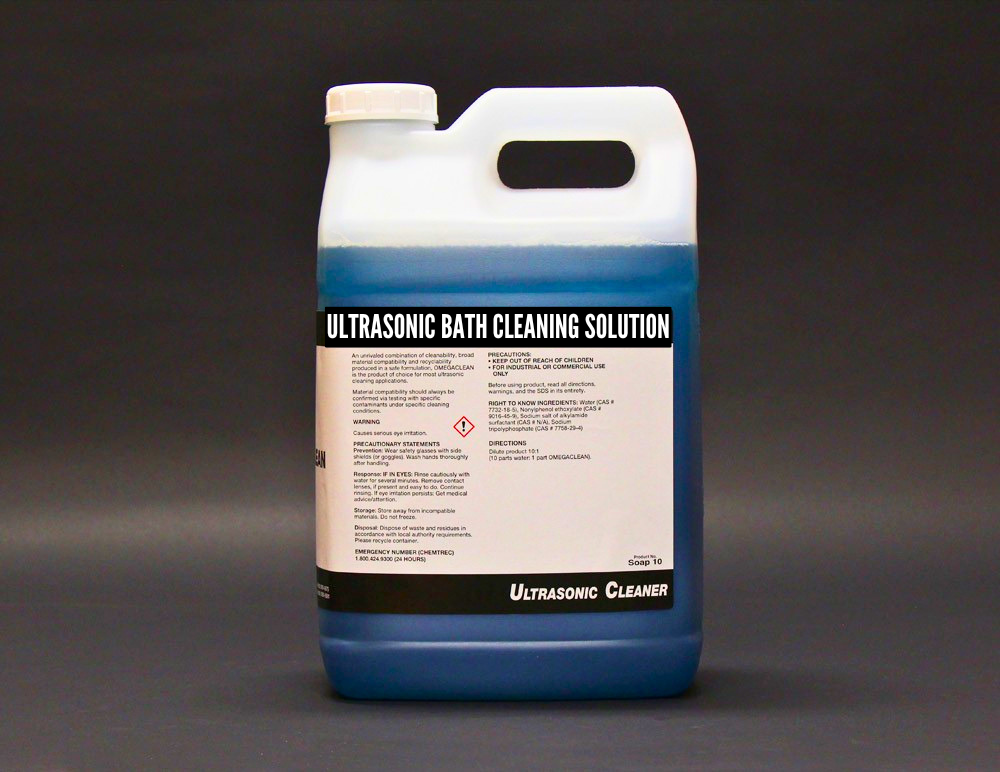
An ultrasonic bath cleaning solution is one of the most important parts of an ultrasonic cleaning system. While the ultrasonic machine creates high-frequency sound waves, the cleaning solution helps loosen dirt, grease, oil, and other contaminants from the surface of different objects. Using the right solution improves cleaning performance and helps protect valuable tools and equipment.
Whether you work in a laboratory, hospital, jewelry shop, automotive workshop, or simply want to clean household items, understanding how an ultrasonic bath cleaning solution works can help you achieve better results. This guide explains everything you need to know, from its purpose and ingredients to its benefits and safe usage.
What Is an Ultrasonic Bath Cleaning Solution?
An ultrasonic bath cleaning solution is a specially formulated liquid designed for use inside an ultrasonic cleaner. Unlike ordinary water, this solution contains cleaning agents that dissolve oils, grease, dirt, and other residues more effectively.
The solution works together with ultrasonic sound waves to create microscopic bubbles in the cleaning tank. These bubbles collapse rapidly in a process known as cavitation. The tiny bursts of energy remove contaminants from even the smallest holes, grooves, and hard-to-reach areas without damaging the object being cleaned.
Different cleaning solutions are available for different materials, making it important to choose the correct product for the specific cleaning task.
How Does an Ultrasonic Bath Cleaning Solution Work?
An ultrasonic bath cleaning solution enhances the cleaning action produced by ultrasonic waves. When the machine operates, high-frequency vibrations travel through the liquid and generate millions of microscopic bubbles.
As these bubbles collapse, they release energy that gently lifts contaminants away from the object’s surface. At the same time, the cleaning solution breaks down grease, oils, polishing compounds, and dirt that plain water cannot remove efficiently.
Because the process reaches narrow spaces and hidden corners, ultrasonic cleaning is much more effective than manual scrubbing for many applications.
| Attribute | Details |
|---|---|
| Name | Ultrasonic Bath Cleaning Solution |
| Type | Cleaning Liquid |
| Category | Laboratory & Industrial Cleaning Product |
| Purpose | Removes grease, dirt, oil, rust, and contaminants using ultrasonic cleaners |
| Common Uses | Jewelry, Medical Instruments, Laboratory Equipment, Automotive Parts, Electronics |
| Main Ingredients | Water, Surfactants, Detergents, Degreasers, Corrosion Inhibitors |
| Compatible With | Ultrasonic Cleaning Machines |
| Available Forms | Concentrated Liquid and Ready-to-Use Solution |
| Benefits | Deep Cleaning, Non-Abrasive, Fast, Reaches Tight Spaces |
| Suitable For | Laboratories, Hospitals, Dental Clinics, Workshops, Homes |
| Age | Not Applicable (Product) |
| Height | Not Applicable |
| Family | Not Applicable |
| Net Worth | Not Applicable |
| Physical Appearance | Usually a Clear or Light-Colored Liquid |
| Social Media | None (Individual Manufacturers May Have Official Accounts) |
Types of Ultrasonic Bath Cleaning Solution
Not every cleaning job requires the same formula. A general-purpose ultrasonic bath cleaning solution is suitable for cleaning tools, metal parts, laboratory equipment, and household items.
Jewelry cleaning solutions are specially formulated to restore the shine of gold, silver, platinum, and certain gemstones. Medical and dental solutions are designed to remove biological residues from reusable instruments before sterilization.
Industrial cleaning solutions are stronger and work well for removing heavy grease, carbon deposits, and machining oils from engine parts and machinery. There are also specialized products for electronics, optical lenses, scientific equipment, and precision instruments.
Common Applications
The versatility of an ultrasonic bath cleaning solution makes it useful in many industries and professions. Hospitals and dental clinics use ultrasonic cleaners to prepare surgical instruments before sterilization.
Laboratories depend on them for cleaning scientific glassware, metal instruments, and testing equipment. Jewelry stores use ultrasonic cleaning systems to remove dirt and polish precious jewelry without excessive handling.
Automotive repair shops clean carburetors, fuel injectors, bearings, and engine components using suitable cleaning liquids. Electronics manufacturers also use carefully selected solutions to remove flux residues and contaminants from delicate circuit boards.
Many homeowners now use compact ultrasonic cleaners for eyeglasses, watches, coins, razor heads, and small household accessories.
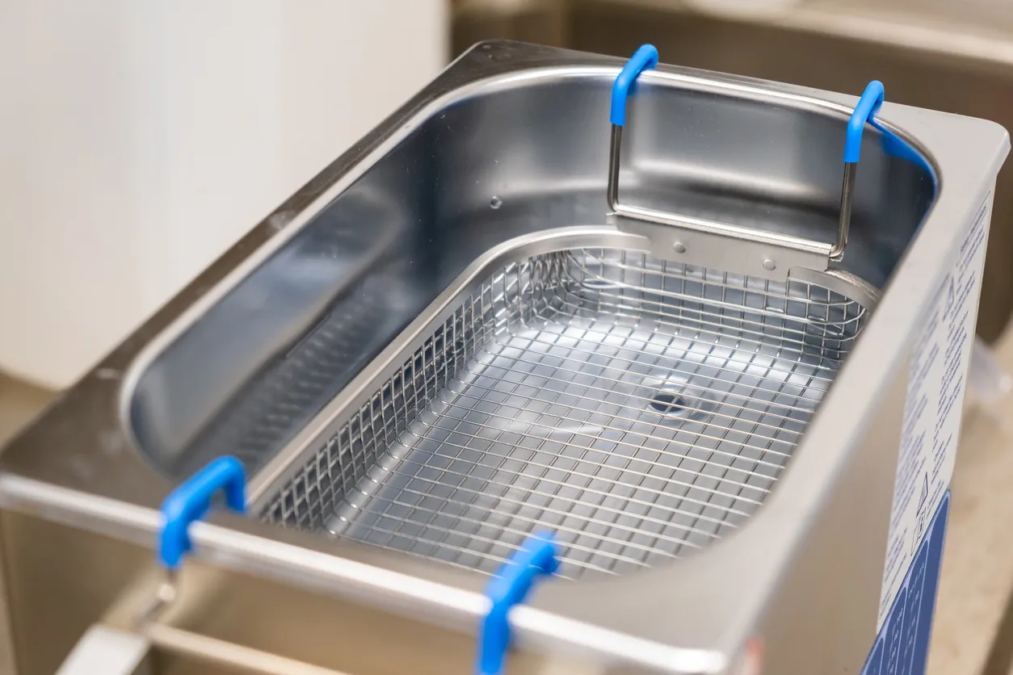
Choosing the Right Ultrasonic Bath Cleaning Solution
Selecting the proper ultrasonic bath cleaning solution depends on both the material being cleaned and the type of contamination present.
Greasy mechanical parts often require an alkaline cleaning solution that effectively removes oil and grease. Delicate jewelry usually benefits from a neutral formula that cleans without affecting precious metals.
Medical equipment often requires specialized cleaning solutions developed for healthcare environments, while electronic components need low-residue formulations that will not damage sensitive circuits.
Always follow the manufacturer’s recommendations before using any cleaning solution. Using the wrong formula may reduce cleaning efficiency or even damage valuable equipment.
Benefits of Using the Right Solution
Using a high-quality ultrasonic bath cleaning solution offers many advantages over cleaning with plain water alone.
The solution improves the cavitation process and helps dissolve stubborn contaminants that water cannot remove. It also reduces the need for aggressive scrubbing, lowering the risk of scratches on delicate surfaces.
Cleaning becomes faster, more consistent, and more reliable because the liquid reaches areas that brushes and cloths cannot access. Proper cleaning also helps extend the life of tools, instruments, and machine components by removing harmful contaminants before they cause long-term damage.
Many modern cleaning solutions are biodegradable and environmentally friendly, making them suitable for regular professional use when disposed of according to local regulations.
Safety Tips and Best Practices
Using an ultrasonic bath cleaning solution correctly ensures both effective cleaning and user safety. Always prepare the solution according to the manufacturer’s instructions, especially when dilution is required.
Wear protective gloves when handling concentrated cleaning chemicals and work in a well-ventilated area if recommended. Never mix different cleaning solutions unless the manufacturer specifically states that they are compatible.
Replace dirty cleaning liquid regularly because contaminated solution becomes less effective over time. After cleaning, rinse items with clean water if appropriate and allow them to dry completely before storage or reuse.
Regular maintenance of the ultrasonic cleaning tank also helps maintain consistent cleaning performance.
Conclusion
An ultrasonic bath cleaning solution is much more than a simple cleaning liquid. It works together with ultrasonic technology to remove grease, dirt, oil, polishing compounds, and other contaminants from even the smallest and most complex surfaces. By selecting the correct formula for each cleaning task, users can achieve professional-quality results while protecting valuable equipment.
Whether used in healthcare, laboratories, jewelry stores, automotive workshops, or at home, an ultrasonic bath cleaning solution provides a reliable, efficient, and safe cleaning method. With proper selection, careful handling, and regular maintenance, it can improve cleaning performance, extend the lifespan of valuable tools, and deliver consistent results every time.
