

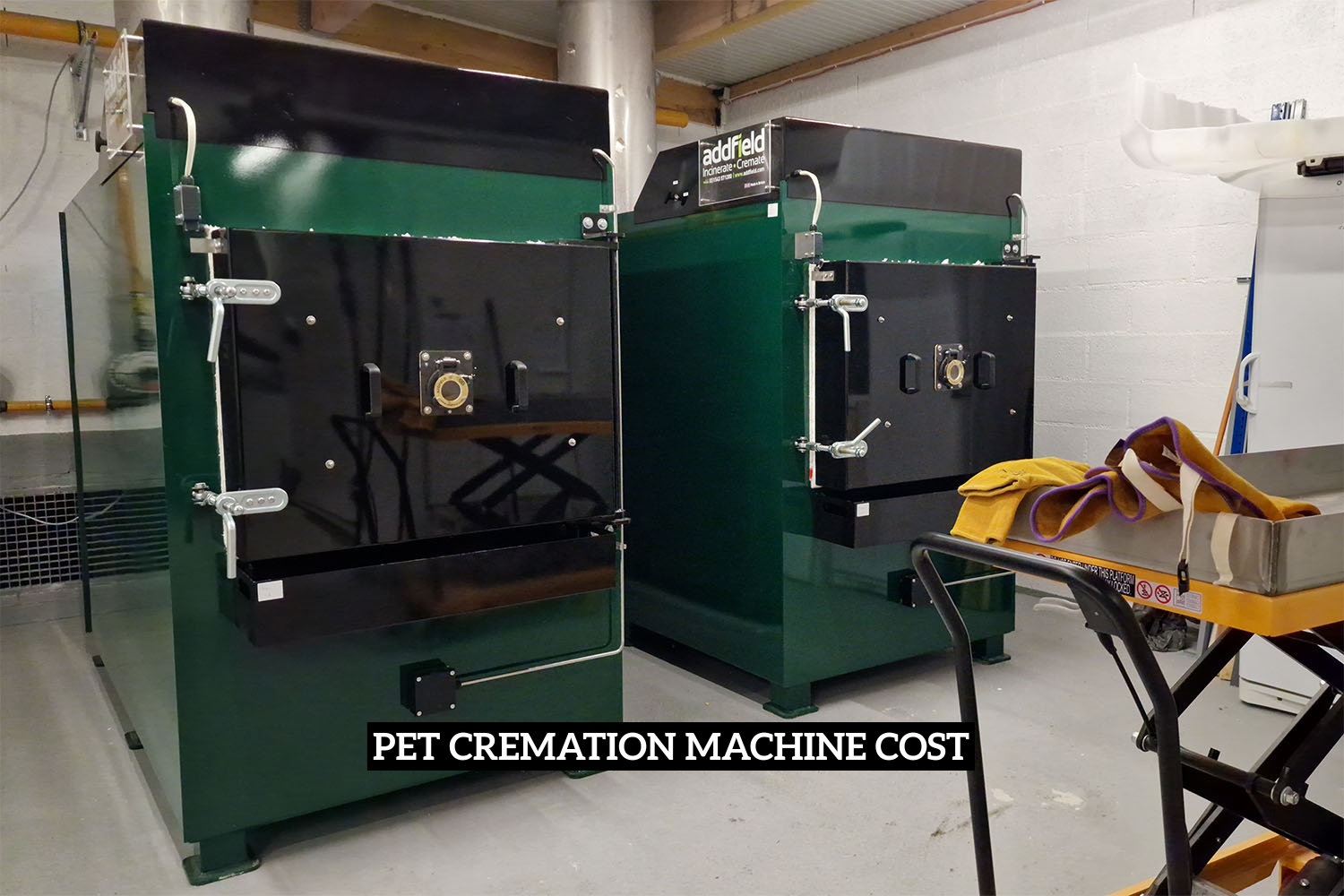
The demand for professional pet cremation services has increased steadily as more families choose cremation to honor their beloved companions. For veterinary clinics, pet funeral homes, animal shelters, and cremation service providers, investing in quality equipment is an important business decision. Understanding pet cremation machine cost helps buyers choose equipment that matches their budget, business goals, and daily operating needs.
The price of a pet cremation machine is influenced by several factors, including its size, capacity, fuel type, level of automation, and manufacturing quality. While the initial purchase price is an important consideration, buyers should also account for installation, maintenance, operating costs, and local regulatory requirements. Looking at the total cost of ownership provides a more realistic picture than focusing only on the machine’s selling price.
What Is a Pet Cremation Machine?
A pet cremation machine is a specially designed cremation system that uses controlled high temperatures to reduce animal remains to ashes in a clean, safe, and respectful manner. Unlike general waste incinerators, these machines are built specifically for animal cremation and are designed to maintain proper combustion temperatures while reducing smoke, odor, and emissions.
Modern equipment is available in different sizes to accommodate pets ranging from small birds and rabbits to large dogs. Many machines include insulated combustion chambers, digital temperature controls, automatic burners, and safety monitoring systems that improve efficiency and provide consistent results.
Average Pet Cremation Machine Cost
The pet cremation machine cost varies according to the machine’s specifications. Small units suitable for veterinary clinics or low-volume operations generally cost between $3,000 and $10,000. Medium-capacity commercial machines often range from $10,000 to $40,000, while high-capacity industrial systems designed for busy cremation businesses can cost $50,000 to more than $100,000.
Premium models with advanced automation, touchscreen controls, fuel-saving technology, and enhanced emission control systems are naturally more expensive than basic manual machines. However, these additional features often improve long-term efficiency and reduce operating expenses.
Factors That Influence the Price
Several important factors affect the overall cost of a cremation machine. Chamber size is one of the biggest influences because larger chambers require stronger construction materials, thicker insulation, and more powerful heating systems. Businesses handling larger animals or multiple cremations each day usually need higher-capacity equipment.
Fuel type also affects pricing. Natural gas models are widely used because they often provide lower operating costs where gas service is available. Diesel and propane machines remain popular in areas without natural gas infrastructure, while electric models may be suitable for smaller facilities with limited daily demand.
Automation is another pricing factor. Machines equipped with programmable controls, automatic ignition, digital displays, and remote monitoring capabilities generally cost more than manually operated systems. These features simplify operation and improve consistency throughout the cremation process.
The quality of construction also impacts price. Equipment built with heavy-duty steel, premium refractory bricks, and advanced insulation typically lasts longer and requires less maintenance than lower-quality alternatives.
Additional Costs Beyond the Machine
When estimating pet cremation machine cost, buyers should remember that the purchase price is only one part of the investment. Shipping charges can be significant because commercial cremation equipment is heavy and often requires specialized transportation.
Installation expenses may include concrete foundations, ventilation systems, electrical work, gas line connections, and chimney installation. Depending on local regulations, permits and environmental approvals may also be necessary before the machine can begin operation.
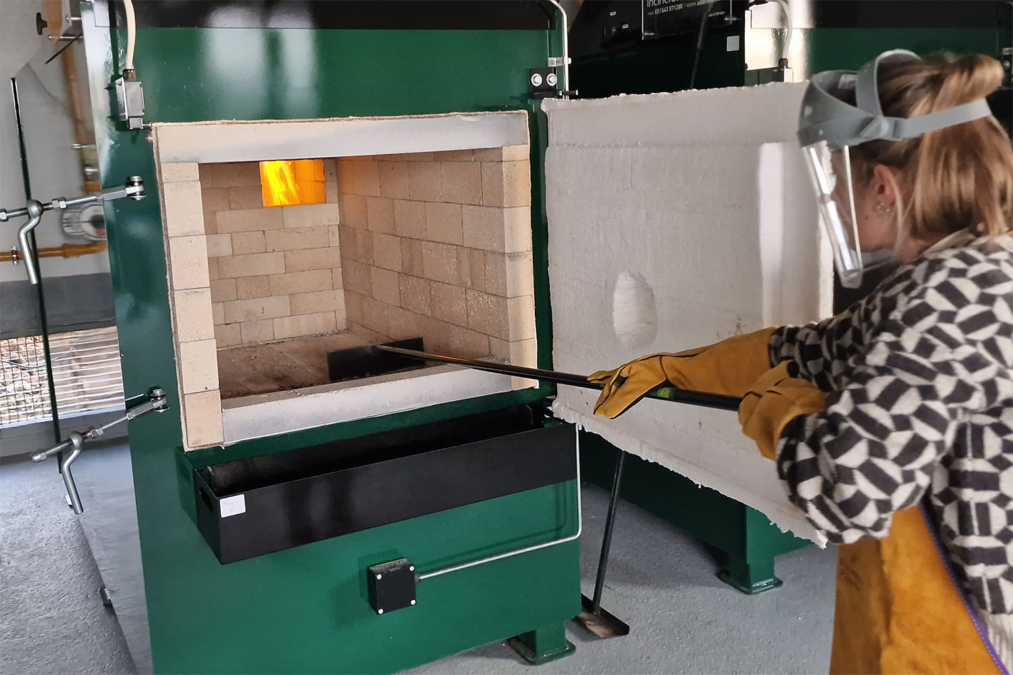
Routine maintenance should also be included in the overall budget. Burners, sensors, seals, electrical components, and refractory materials require periodic inspection and replacement to ensure safe and efficient operation. Regular servicing extends equipment life while reducing the likelihood of unexpected breakdowns.
Benefits of Investing in Quality Equipment
Purchasing high-quality equipment offers several long-term advantages. Reliable machines consume fuel more efficiently, maintain stable operating temperatures, and experience fewer mechanical failures. Lower maintenance costs and reduced downtime can save businesses considerable money over the life of the equipment.
Professional equipment also helps businesses provide timely and respectful services to grieving pet owners. Reliable scheduling, consistent performance, and efficient operation contribute to higher customer satisfaction and strengthen a company’s reputation.
Many newer machines also incorporate cleaner combustion technology that reduces emissions while improving fuel efficiency. These environmental improvements are becoming increasingly valuable as governments continue updating emission standards.
Choosing the Right Machine
Selecting the right cremation machine begins with evaluating current and future business needs. A small veterinary clinic performing occasional cremations may not require the same capacity as a dedicated pet cremation company serving an entire region.
Potential buyers should compare machine capacity, fuel availability, energy efficiency, warranty coverage, replacement part availability, and technical support. Working with an experienced manufacturer that provides reliable after-sales service can make ownership much easier throughout the equipment’s lifespan.
Considering future growth is equally important. Purchasing slightly larger equipment than current demand requires may help businesses avoid expensive upgrades as customer demand increases.
Environmental Compliance
Environmental regulations play an important role in selecting cremation equipment. Many countries require machines to meet specific emission standards before installation and operation. Buyers should verify local regulations and choose equipment that complies with all applicable environmental requirements.
Proper operator training is equally essential. Employees should understand safe operating procedures, routine inspections, maintenance schedules, and emergency shutdown processes. Well-trained operators improve workplace safety while helping the machine perform efficiently for many years.
Long-Term Return on Investment
Although purchasing cremation equipment requires significant capital, it can provide excellent long-term value for businesses with regular demand. Owning equipment reduces dependence on third-party cremation providers, increases scheduling flexibility, and creates additional business opportunities.
As pet ownership continues to grow worldwide, the need for professional pet aftercare services is expected to remain strong. Businesses that invest in dependable, energy-efficient equipment today are better positioned to serve customers while maintaining operational efficiency for many years.
Conclusion
Understanding pet cremation machine cost involves much more than comparing purchase prices. Capacity, fuel type, automation, construction quality, installation, maintenance, and regulatory compliance all influence the total investment. Taking time to evaluate these factors carefully helps buyers select equipment that meets both current requirements and future business goals.
A reliable pet cremation machine is not simply a piece of equipment—it is a long-term investment in service quality, operational efficiency, and customer trust. By choosing well-built equipment from a reputable manufacturer and maintaining it properly, veterinary clinics and pet cremation businesses can provide respectful, professional care while achieving dependable performance for years to come.
FAQs
Q: What is pet cremation machine cost?
A: Pet cremation machine cost typically ranges from $3,000 to over $100,000, depending on the machine’s size, capacity, and features.
Q: What affects pet cremation machine cost the most?
A: The biggest factors include chamber size, fuel type, automation, construction quality, and installation requirements.
Q: Is a higher pet cremation machine cost worth it?
A: Yes. Higher-priced machines often offer better durability, lower operating costs, and improved energy efficiency over time.
Q: Who should invest in a pet cremation machine?
A: Veterinary clinics, animal shelters, pet cremation businesses, and pet memorial service providers commonly purchase these machines.
Q: How can I reduce pet cremation machine cost over time?
A: Choose an energy-efficient model, perform regular maintenance, and follow the manufacturer’s operating guidelines to lower long-term expenses.
