

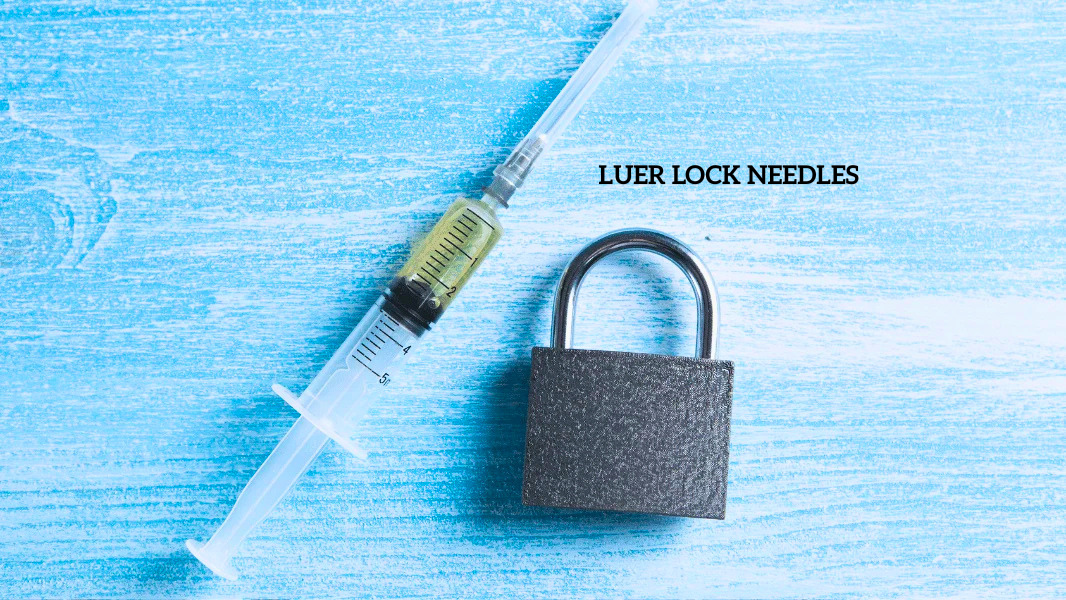
Luer lock needles are an important part of modern healthcare and laboratory work. They are designed to create a secure connection between a needle and a compatible syringe, helping reduce leaks and accidental disconnections during medical procedures. This simple locking system has become a trusted standard in hospitals, clinics, research laboratories, and veterinary practices around the world.
Whether used for giving injections, drawing blood, or preparing medications, luer lock needles offer reliability and safety. Understanding how they work and where they are used can help healthcare professionals, students, and laboratory workers choose the right equipment for their needs.
What Are Luer Lock Needles?
A luer lock needle is a medical needle that attaches to a syringe using a threaded locking mechanism. Instead of simply pushing the needle onto the syringe, the user twists it until it locks firmly into place. This secure connection helps prevent the needle from becoming loose while fluids are being injected or withdrawn.
The locking design is widely accepted in the medical industry because it improves both safety and accuracy. Many manufacturers produce syringes and needles that follow the same standard, making them compatible across a wide range of medical equipment.
How the Locking System Works
The connection is simple but highly effective. The syringe features a threaded tip, while the needle hub contains matching threads. Once the two parts are aligned, the needle is twisted clockwise until it is firmly locked in place.
This secure fit reduces the possibility of leakage during procedures and provides healthcare professionals with greater confidence when handling medications or collecting samples. When the procedure is complete, the needle can be removed by twisting it in the opposite direction.
Key Features
The design focuses on creating a dependable connection between the syringe and needle. Most models include a stainless-steel needle, a durable plastic hub, and a protective cap to maintain sterility before use.
They are available in different gauges and lengths to suit various medical procedures. Thin needles are commonly selected for injections requiring patient comfort, while larger gauges are often used for drawing thicker fluids or preparing medications.
Manufacturers also supply these needles in sterile, individually packaged units to reduce the risk of contamination before use.
Benefits of Using Luer Lock Needles
One of the biggest advantages of luer lock needles is the secure attachment they provide. Since the needle is locked into place, it is much less likely to disconnect unexpectedly during treatment. This can improve both patient safety and the accuracy of medical procedures.
The tight seal also helps prevent leakage of medications or other fluids. This is especially important when handling expensive medicines, vaccines, or hazardous substances that require careful control.
Healthcare professionals also appreciate the versatility of this system. A single compatible syringe can be used with different needle sizes depending on the procedure, making equipment selection more flexible.
Common Medical Applications
These needles are used in many healthcare environments because of their dependable performance. Hospitals rely on them for routine injections, blood collection, intravenous procedures, and medication preparation. Clinics use them for vaccinations, diagnostic testing, and patient treatments.
Research laboratories frequently use them when transferring sterile liquids or preparing scientific samples. Veterinary clinics also depend on the same locking system when treating animals of different sizes.
Because they offer a secure connection, they are especially valuable during procedures that require precise handling of fluids.
Different Sizes and Gauges
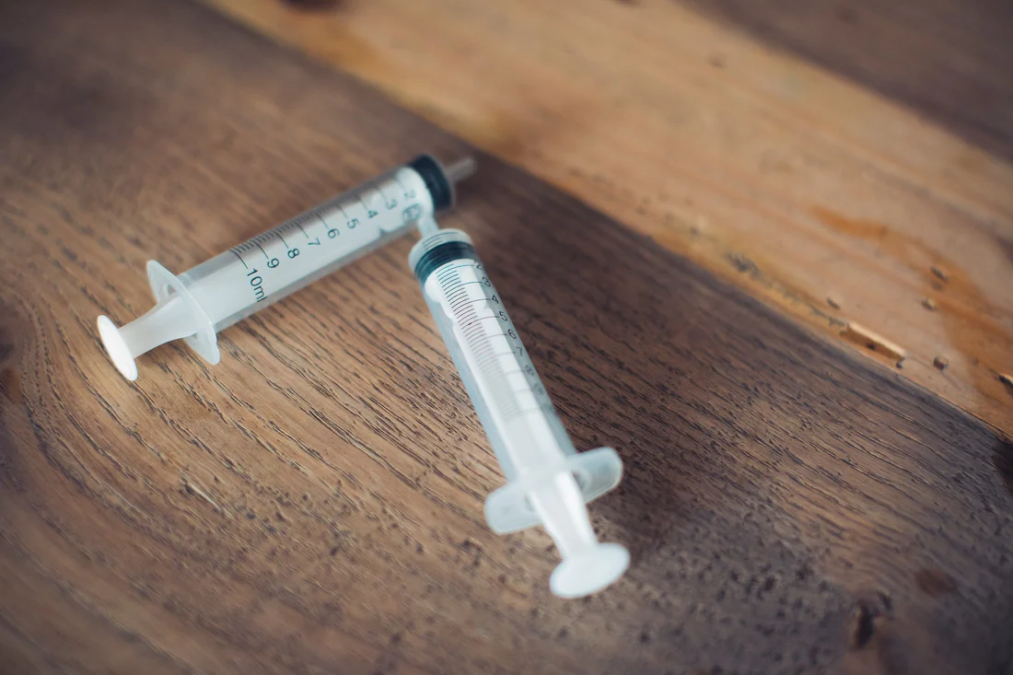
Medical needles are available in many different gauges, with each size serving a specific purpose. Lower gauge numbers indicate thicker needles, while higher gauge numbers represent thinner ones.
Larger needles are commonly selected when drawing blood or handling thicker liquids. Smaller needles are often preferred for injections that require greater patient comfort, such as vaccinations or insulin administration.
Choosing the correct gauge depends on the type of medication, the procedure being performed, and the patient’s individual needs.
Luer Lock and Luer Slip Comparison
Although both systems connect needles to syringes, they work differently. A luer slip connection simply pushes onto the syringe tip, making it quick to attach and remove. While suitable for many applications, it may become loose if higher pressure is applied.
The locking version uses threaded connections that require twisting before use. This creates a stronger seal and makes accidental separation much less likely. For this reason, many healthcare professionals prefer the locking system for procedures where stability is especially important.
Safety and Proper Handling
Safe handling remains essential whenever medical needles are used. Sterile packaging should be checked before opening, and the needle should only be attached immediately before the procedure begins. Touching the sterile tip should always be avoided to maintain cleanliness.
After use, disposable needles should never be reused. They should be placed directly into an approved sharps disposal container to reduce the risk of injury and contamination. Following proper infection-control guidelines protects both healthcare workers and patients.
Why They Remain an Industry Standard
Medical technology continues to evolve, but the threaded connection has remained a trusted solution for many years. Its dependable design, compatibility with standard syringes, and ability to reduce leakage have made it a preferred choice across hospitals, laboratories, and pharmaceutical facilities.
The system also supports a wide range of specialized needles, including filter needles, blunt fill needles, and safety-engineered models. This flexibility allows professionals to select equipment that best matches the procedure being performed.
Conclusion
Luer lock needles have become one of the most reliable needle systems used in healthcare today. Their threaded locking mechanism provides a secure connection that helps reduce leaks and accidental disconnections while supporting accurate fluid delivery. Available in many sizes and designed for compatibility with standard luer lock syringes, they are suitable for hospitals, clinics, laboratories, veterinary medicine, and research environments.
By selecting the appropriate needle size, following proper handling procedures, and disposing of used needles safely, healthcare professionals can achieve consistent performance while maintaining high standards of patient care. Their combination of safety, reliability, and versatility continues to make them an essential component of modern medical practice.
FAQs
Q: What are luer lock needles?
A: Luer lock needles are medical needles that twist onto compatible syringes using a threaded connection, creating a secure and leak-resistant fit.
Q: Why are luer lock needles preferred in healthcare?
A: They provide a firm attachment to the syringe, helping reduce accidental disconnection and improving safety during medical procedures.
Q: Can luer lock needles be used with all syringes?
A: No. Luer lock needles are designed to work only with syringes that have a matching luer lock connector.
Q: Are luer lock needles available in different sizes?
A: Yes. They come in various gauges and lengths to suit different injections, blood collection, and laboratory applications.
Q: Are luer lock needles reusable?
A: Most luer lock needles are intended for single use only and should be disposed of safely after each procedure to maintain hygiene and patient safety.
