

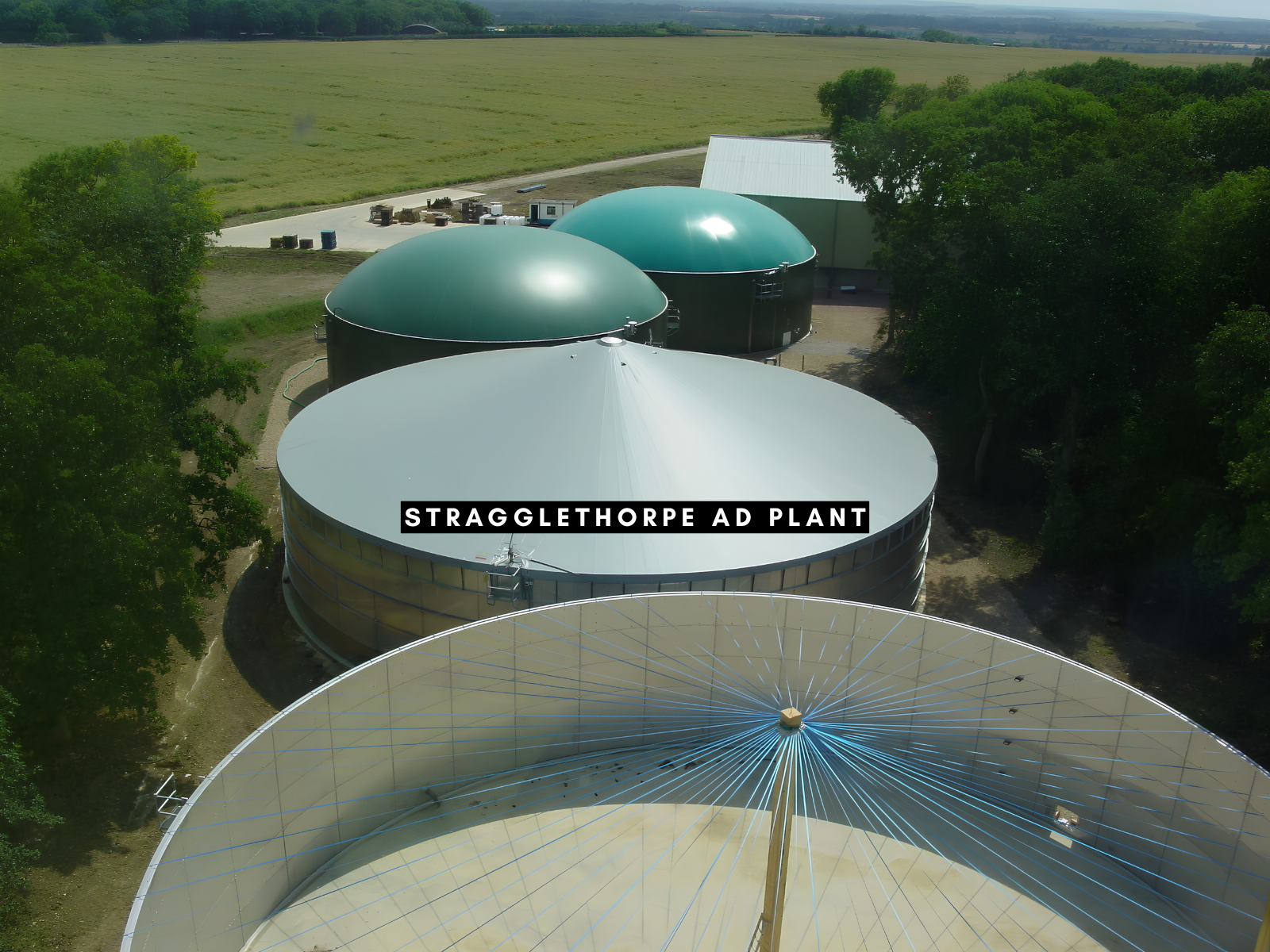
Introduction to Stragglethorpe AD Plant
Stragglethorpe AD Plant is a renewable energy facility located near Stragglethorpe Grainstore, Nottingham Road, Cropwell Bishop, Nottinghamshire. It uses anaerobic digestion technology to convert organic materials into renewable energy and useful agricultural by-products. The plant is operated by Stragglethorpe Energy Limited and is part of the UK’s wider shift toward low-carbon energy systems.
Anaerobic digestion is a natural biological process where microorganisms break down organic matter in the absence of oxygen. This produces biogas, which can be used to generate electricity and heat. It also creates digestate, a nutrient-rich material that can be used as fertiliser on farmland.
Facilities like this demonstrate how agriculture and renewable energy can work together. Instead of organic waste being discarded, it is transformed into valuable resources that support both environmental goals and rural economies.
What Is Stragglethorpe AD Plant?
Stragglethorpe AD Plant is an on-farm anaerobic digestion facility designed to process organic materials and generate renewable energy. Unlike fossil fuel power stations, it relies on biological feedstocks such as agricultural residues and other biodegradable inputs.
The plant is linked to Stragglethorpe Energy Limited and is located in Cropwell Bishop, Nottinghamshire. It plays a role in helping farms manage organic materials more efficiently while producing clean energy.
Its main function is to convert suitable feedstocks into biogas through controlled digestion. This biogas is then used to generate electricity, reducing reliance on conventional energy sources and supporting local energy supply.
How Anaerobic Digestion Technology Works
The process begins with collecting organic materials that are suitable for breakdown. These are delivered to the site and stored before being fed into sealed digestion tanks.
Inside these oxygen-free tanks, bacteria break down the material and release methane-rich biogas. This controlled biological reaction is carefully managed to maintain efficiency and stability.
The biogas is then used in combined heat and power systems to generate electricity and heat. At Stragglethorpe, waste heat is also reused to support on-site operations, improving overall efficiency.
Once digestion is complete, the remaining material becomes digestate. This by-product is rich in nutrients and can be applied to farmland as a natural fertiliser, helping improve soil health and crop productivity.
| Category | Details |
|---|---|
| Plant Name | Stragglethorpe AD Plant |
| Operator | Stragglethorpe Energy Limited |
| Location | Cropwell Bishop, Nottinghamshire, United Kingdom |
| Industry | Renewable Energy / Anaerobic Digestion |
| Plant Type | On-farm Anaerobic Digestion Facility |
| Technology Used | Anaerobic Digestion (AD) Technology |
| Main Process | Conversion of organic materials into biogas and digestate |
| Energy Produced | Renewable electricity and heat |
| Main Fuel Source | Organic and agricultural materials |
| By-product | Nutrient-rich digestate fertiliser |
| Purpose | Clean energy production and sustainable waste management |
| Environmental Role | Reduction of carbon emissions and support for circular economy |
| Agricultural Benefit | Provides natural fertiliser for farmland |
| Operational Sector | Farming, waste management, and renewable energy |
| Social Media | No official personal social media (facility-based project) |
| Website/Profile | No widely available official public profile |
| Age of Plant | Developed as a modern renewable energy facility (exact opening date not publicly confirmed) |
| Owner/Family Details | Not applicable (industrial facility, not an individual) |
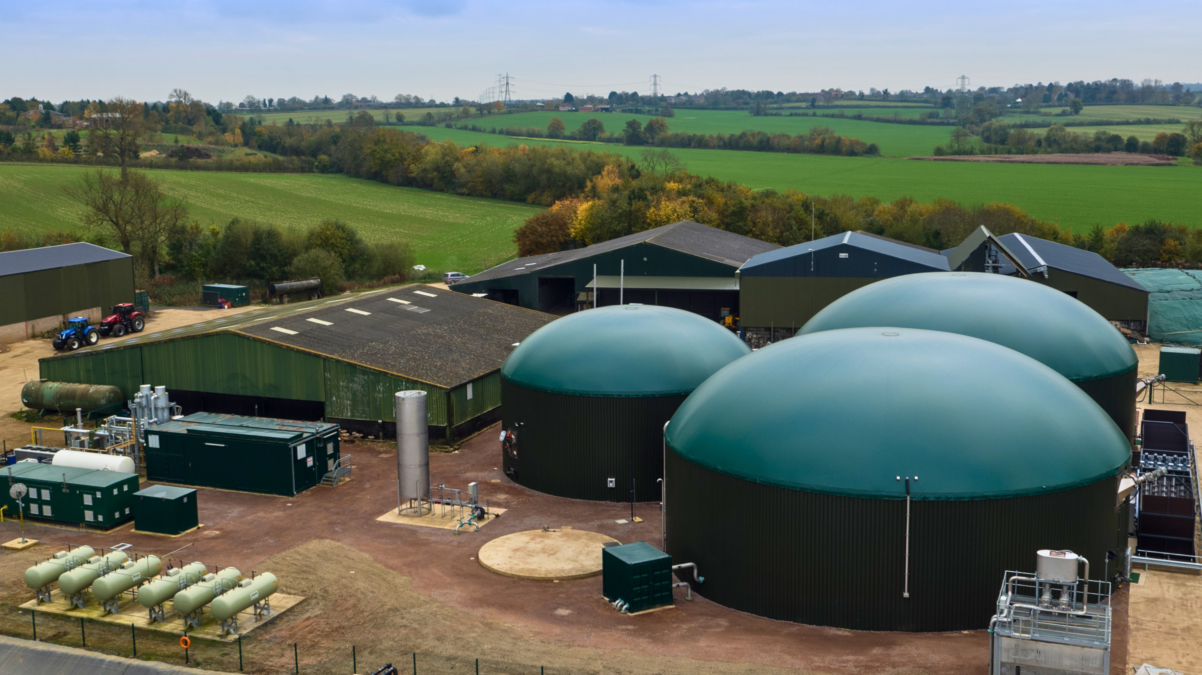
| Physical Appearance | Large industrial site with digesters, storage areas, and energy equipment |
| Net Worth/Value | No public personal net worth; value is based on renewable energy production and infrastructure |
| Known For | Producing renewable energy through anaerobic digestion technology |
Location and Background of the Plant
The plant is located in a rural agricultural area near Cropwell Bishop in Nottinghamshire. This setting is ideal because it provides easy access to farm-based organic materials.
Rural AD plants are often integrated into farming regions to reduce transport distances and support local resource cycles. The Stragglethorpe site includes digestion tanks, storage facilities, and energy generation equipment designed for continuous operation.
Its infrastructure was developed to support both energy production and agricultural processing, making it a key part of the local rural economy.
Environmental Benefits of Stragglethorpe AD Plant
One of the main benefits of the plant is its contribution to renewable energy generation. By using organic materials instead of fossil fuels, it helps reduce greenhouse gas emissions.
The process also captures methane that would otherwise be released into the atmosphere during natural decomposition. Using this methane for energy significantly lowers its environmental impact.
In addition, the plant supports better waste management by converting organic by-products into useful outputs. This reduces landfill use and promotes a circular economy where resources are reused rather than discarded.
Overall, the facility helps connect farming, energy production, and environmental protection in a sustainable system.
Benefits for Agriculture and Local Businesses
Farmers benefit from the digestate produced by the plant, as it provides a natural source of nutrients for soil improvement. This can reduce the need for synthetic fertilisers and support more sustainable farming practices.
The plant also contributes to the local economy by creating demand for transport, maintenance, and technical services. These activities help support rural employment and business growth.
By linking agriculture with renewable energy production, the facility creates additional income opportunities for farming communities while improving resource efficiency.
Energy Production and Sustainability
The main output of the plant is biogas, which is used to generate renewable electricity and heat. This energy can be supplied locally, reducing the need for long-distance fuel transport.
Producing energy close to the source of organic materials improves efficiency and reduces carbon emissions associated with logistics. It also strengthens local energy resilience.
As the UK continues to focus on reducing carbon emissions, anaerobic digestion plays an important role in providing a reliable and sustainable energy source.
Challenges of Running an AD Plant
Operating an anaerobic digestion facility requires careful control of biological and mechanical systems. Temperature, feedstock quality, and digestion conditions must be closely monitored to ensure stable performance.
Logistics is another key challenge, as organic materials must be transported, stored, and processed efficiently. Proper planning is essential to avoid disruptions.
Odour management is also important, and modern plants use sealed systems and monitoring technology to minimise environmental impact. Despite these challenges, well-managed AD plants operate safely and effectively.
Key Facts About Stragglethorpe AD Plant
Plant Name: Stragglethorpe AD Plant
Operator: Stragglethorpe Energy Limited
Location: Cropwell Bishop, Nottinghamshire, UK
Industry: Renewable energy / anaerobic digestion
Technology: Biogas production through anaerobic digestion
Outputs: Electricity, heat, and digestate fertiliser
Type: On-farm renewable energy facility
The plant is not a person, so it does not have personal attributes such as age, appearance, or family background. Its importance is measured through its environmental and energy contributions.
Future of Stragglethorpe AD Plant
The future of anaerobic digestion is closely linked to the global demand for renewable energy. As technology improves, plants like Stragglethorpe are expected to become more efficient and productive.
There is growing interest in expanding circular economy systems, where waste materials are continuously reused. AD plants are a key part of this approach.
With continued investment and innovation, facilities like this will play an increasingly important role in sustainable agriculture and clean energy production.
Conclusion
Stragglethorpe AD Plant is a valuable renewable energy facility that demonstrates how organic materials can be transformed into useful energy and agricultural products. Through anaerobic digestion, it supports cleaner electricity generation, improved waste management, and sustainable farming practices.
The plant highlights the importance of integrating agriculture with renewable energy systems. By turning organic resources into biogas and fertiliser, it contributes to environmental protection and rural development.
As renewable energy demand continues to grow, facilities like Stragglethorpe AD Plant will remain essential in building a more sustainable and low-carbon future.
