

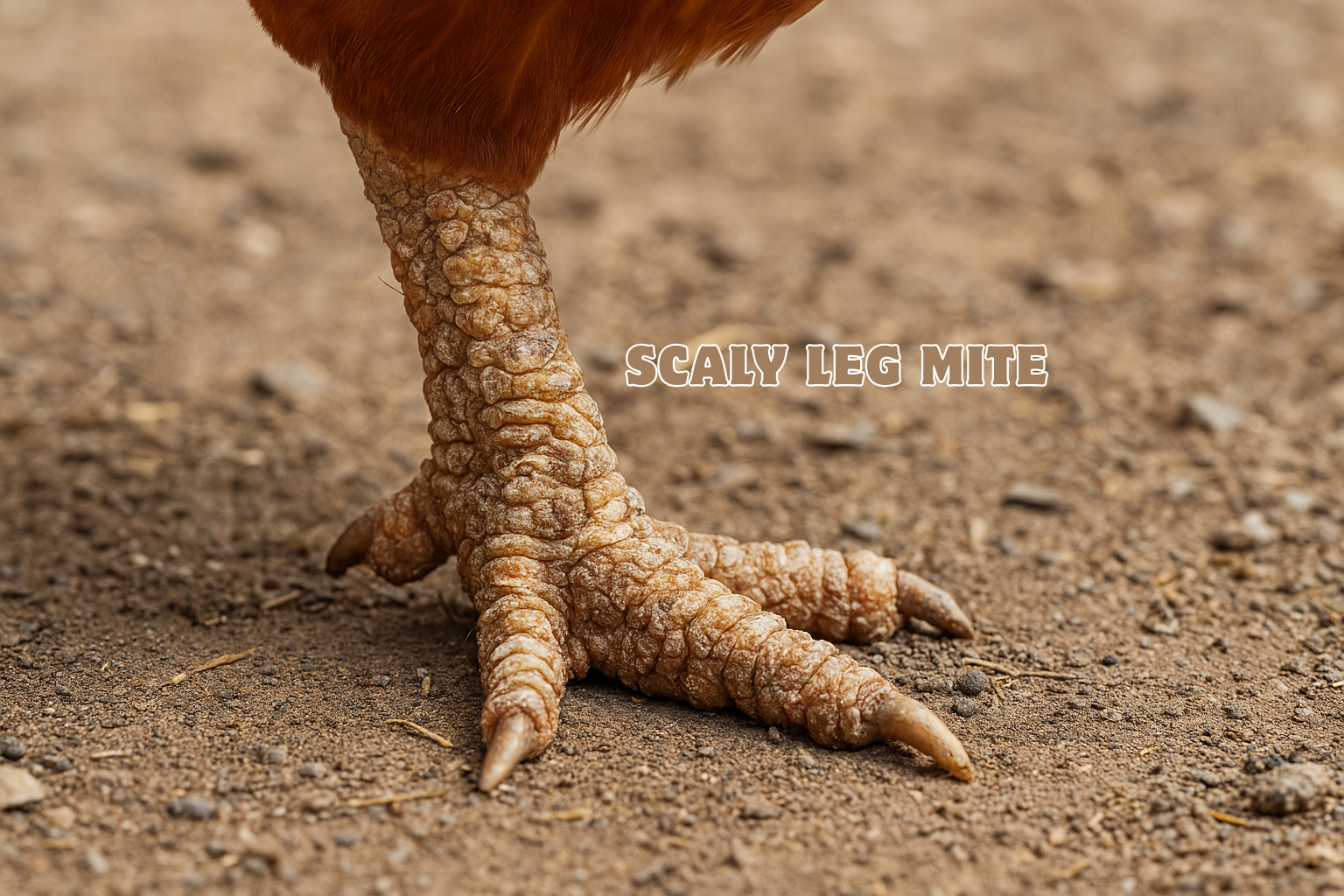
A scaly leg mite infestation is one of the most common external parasite problems seen in backyard chickens and other domestic birds. Although these mites are microscopic, they can cause noticeable damage to a bird’s legs if they are not treated early. Many poultry keepers first notice rough, raised scales on their chickens and wonder what is causing the change. In many cases, the answer is a scaly leg mite infestation.
Understanding how scaly leg mite infections develop is the first step toward protecting your flock. With proper care, regular inspections, and timely treatment, most birds recover well and return to a healthy, active life.
What Is a Scaly Leg Mite?
A scaly leg mite is a tiny parasitic mite that burrows beneath the scales on a bird’s legs and feet. The scientific name of this parasite is Knemidocoptes mutans. These mites feed on skin tissue beneath the scales, creating tunnels that irritate the skin and trigger the bird’s natural healing response.
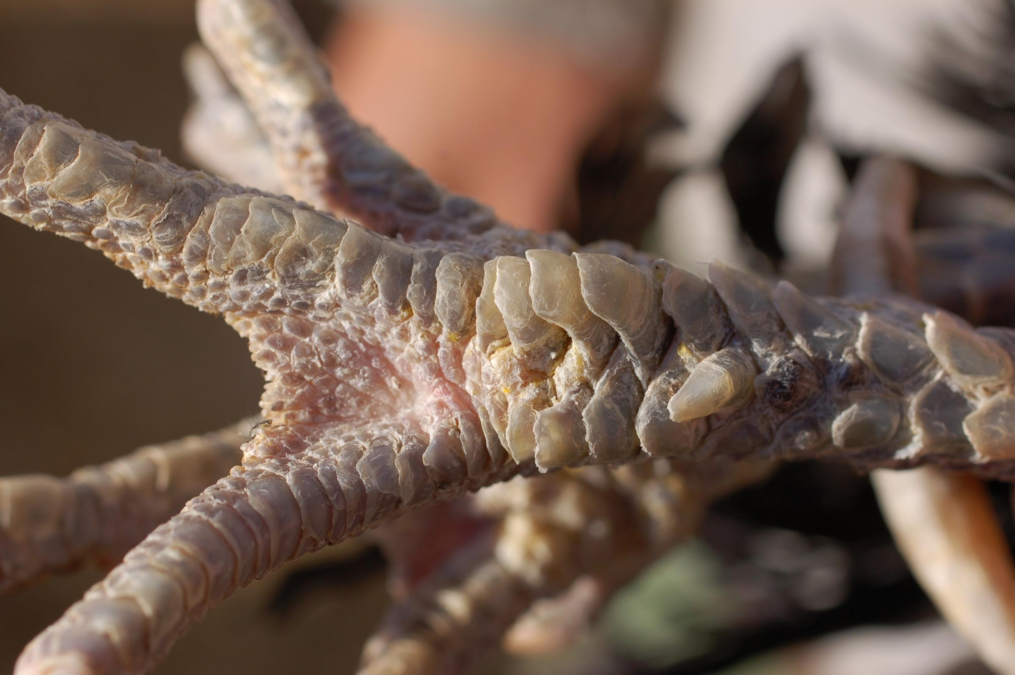
As the condition progresses, the scales become thicker, rougher, and begin to lift away from the leg. This gives the legs a crusty appearance that is easy to recognize in more advanced cases. Because the mites are extremely small, they cannot usually be seen without magnification.
Which Birds Are Most at Risk?
Although chickens are the most common victims, the scaly leg mite can also affect turkeys, pheasants, pigeons, game birds, and some pet birds. Older chickens often show more severe symptoms because the infestation has had more time to develop.
Birds living in overcrowded or poorly maintained housing may face a greater risk because parasites spread more easily through close contact. Introducing new birds without a quarantine period can also bring mites into an otherwise healthy flock.
| Detail | Information |
|---|---|
| Common Name | Scaly Leg Mite |
| Scientific Name | Knemidocoptes mutans |
| Type | Parasitic Mite |
| Kingdom | Animalia |
| Class | Arachnida |
| Primary Hosts | Chickens, Turkeys, Pheasants, Other Birds |
| Size | About 0.3–0.5 mm |
| Lifespan | Several weeks (varies by conditions) |
| Diet | Feeds on skin tissue beneath leg scales |
| Habitat | Lives on the legs and feet of birds |
| Found In | Worldwide |
| Transmission | Direct contact between infected birds |
| Threat to Humans | No, it does not infest humans |
How the Infestation Spreads
A scaly leg mite spreads mainly through direct contact between infected and healthy birds. Chickens sleeping together on the same perch or sharing nesting areas can easily pass the mites from one bird to another.
The parasite spends most of its life on the bird, although good sanitation remains important. Dirty housing does not create the mites, but it can make controlling parasites much more difficult once they are present.
Recognizing the Symptoms
The earliest signs are often mild. At first, the scales may appear slightly raised instead of lying flat against the legs. As the infestation continues, thick crusts develop beneath the scales, making the legs look rough and uneven.
In more advanced cases, swelling, pain, and limping may occur. Some birds become less active because walking becomes uncomfortable. If left untreated for a long period, permanent damage to the toes and legs may develop.
Regular health checks help poultry keepers notice these changes before they become severe.
Diagnosis
Most experienced poultry owners can recognize a scaly leg mite infestation by examining the appearance of the bird’s legs. However, similar symptoms may occasionally result from injuries or other skin conditions.
A veterinarian can confirm the diagnosis by examining the affected legs and, if necessary, viewing skin samples under a microscope. Professional diagnosis is especially helpful when symptoms are severe or the bird fails to improve after treatment.
Treatment
Early treatment offers the best chance of a full recovery. Veterinarians commonly recommend medications that are effective against external parasites. These products should always be used according to veterinary guidance and local regulations.
Before applying medication, many owners gently soften the affected scales to make treatment easier. The scales should never be pulled away by force because this may cause bleeding and increase the risk of infection.
Since mites often spread throughout a flock, every bird should be inspected carefully. Treating only one visibly affected chicken may leave hidden infestations untreated, allowing the parasites to return.
Cleaning the Coop
Treating the birds is only one part of controlling parasites. A clean environment supports recovery and lowers the chance of future infestations.
Replacing old bedding, cleaning nesting boxes, and disinfecting perches help maintain a healthier environment. Wooden roosts deserve special attention because birds spend many hours standing on them each day.
Good ventilation, dry litter, and regular cleaning also improve the overall health of the flock.
Can Humans Catch It?
Many first-time poultry keepers worry that a scaly leg mite might spread to people. Fortunately, these mites are adapted specifically to birds and are not considered human parasites.
Although basic hygiene is always recommended after handling poultry, people do not develop the same type of infestation caused by these mites.
Preventing Future Problems
Preventing parasites is much easier than treating advanced infestations. Every new bird should be quarantined before joining the main flock so that signs of illness or parasites can be detected early.
Routine inspections are equally valuable. Looking closely at each bird’s legs every few weeks makes it easier to notice small changes before serious damage occurs.
A balanced diet, fresh drinking water, clean housing, and reduced stress all contribute to healthier birds that are better able to resist disease and recover from minor health challenges.
Common Mistakes
One common mistake is assuming rough leg scales are simply part of aging. While older chickens may naturally have slightly thicker scales, raised, crusty, and swollen legs should never be ignored.
Another mistake is stopping treatment too early. Following veterinary advice completely helps eliminate the infestation and reduces the chance that the mites will return.
Ignoring an infected bird can also place the rest of the flock at risk because parasites spread through normal contact.
Conclusion
A scaly leg mite infestation is a manageable condition when it is identified early and treated correctly. Regular flock inspections, proper hygiene, and prompt veterinary care are the best ways to protect chickens from unnecessary discomfort.
By understanding how a scaly leg mite spreads, recognizing the first warning signs, and maintaining a clean living environment, poultry owners can greatly reduce the risk of future outbreaks. Healthy management practices not only prevent parasites but also help ensure that chickens remain active, productive, and comfortable throughout their lives.
