

Introduction
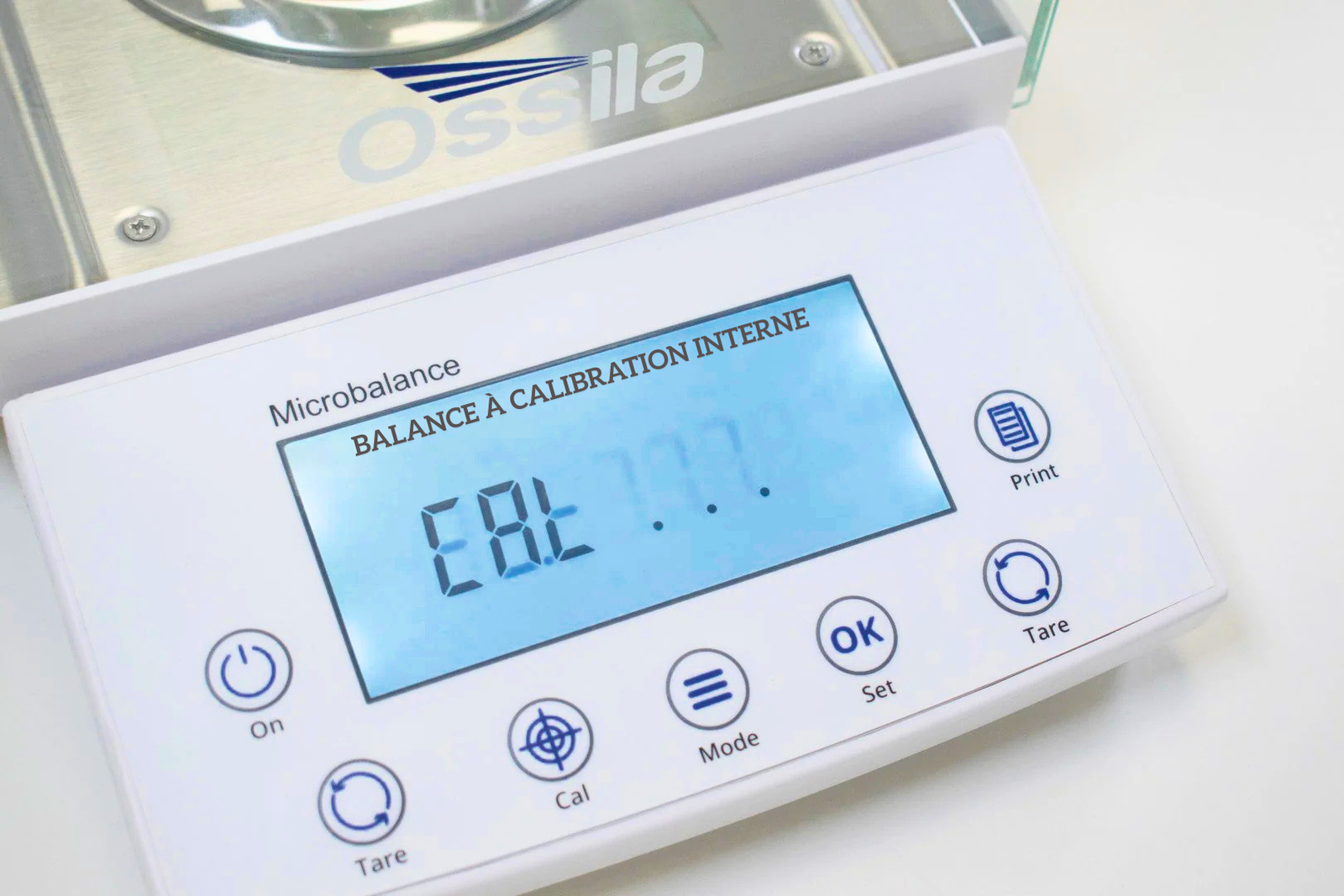
A balance à calibration interne is an advanced laboratory weighing instrument designed to provide highly accurate and reliable measurements. Unlike traditional balances that require external calibration weights, this type of balance contains a built-in calibration weight. The internal system automatically checks and adjusts the balance whenever calibration is needed, helping users maintain consistent accuracy without additional equipment.
These balances are widely used in laboratories, research centers, pharmaceutical companies, universities, and industrial quality control departments. Because precision is essential in scientific work, even a very small weighing error can affect results. An internal calibration system helps reduce these risks while making daily operations faster and more convenient.
What Is a Balance à Calibration Interne?
A balance à calibration interne is a precision balance equipped with an automatic calibration mechanism. Inside the balance is a certified reference weight that is used to verify and adjust the measuring system whenever required. The calibration process is controlled electronically, allowing the balance to maintain excellent accuracy throughout its lifetime.
Many modern analytical and precision balances include this feature because laboratories require dependable measurements every day. Instead of relying on separate calibration weights, the balance performs the adjustment internally, saving both time and effort while improving measurement reliability.
How the Internal Calibration System Works
The operation of an internal calibration system is simple but highly effective. When the balance detects changes in temperature or other environmental conditions, it activates the built-in calibration process. A motor carefully places the internal reference weight onto the weighing mechanism, checks the measurement, and automatically corrects any small deviations.
Once calibration is complete, the reference weight returns to its storage position inside the instrument. The entire process usually takes only a short time, allowing users to continue their work with confidence that the balance is providing accurate results.
Main Features
Modern laboratory balances with internal calibration are designed with many useful features that improve both performance and convenience. Most models include a clear digital display, fast stabilization time, multiple weighing units, tare functionality, and data communication ports such as USB or RS-232 for connecting to computers or laboratory systems.
Many analytical models also include a draft shield that protects the weighing chamber from air movement, helping achieve stable and repeatable measurements. Automatic calibration based on temperature changes or scheduled intervals further improves measurement consistency throughout the working day.
Benefits of Using an Internal Calibration Balance
One of the biggest advantages of a balance à calibration interne is its ability to maintain accurate measurements with minimal user intervention. Since the calibration weight is built into the instrument, users do not need to handle external weights during routine calibration. This reduces preparation time and allows laboratory staff to focus on their work.
Automatic calibration also minimizes the possibility of human error. Incorrect placement of external weights or mistakes during manual calibration can affect measurement quality, but the built-in system performs the procedure in a controlled and repeatable manner. This improves confidence in every measurement and supports reliable laboratory results.
Another important benefit is long-term consistency. Environmental conditions such as temperature changes can slightly influence sensitive weighing instruments. Automatic internal calibration helps compensate for these changes, ensuring that measurements remain stable throughout the day.
Applications in Different Industries
Internal calibration balances are used in many industries where accurate weighing is essential. Pharmaceutical laboratories depend on them when preparing medicines and testing formulations. Chemical laboratories use them for measuring reagents with high precision, while research institutions rely on accurate data during scientific experiments.
Food testing laboratories also benefit from these balances when analyzing ingredients and verifying product quality. Universities use them for teaching practical laboratory techniques, and manufacturing companies include them in quality control procedures to ensure products meet strict specifications.
Internal and External Calibration Compared
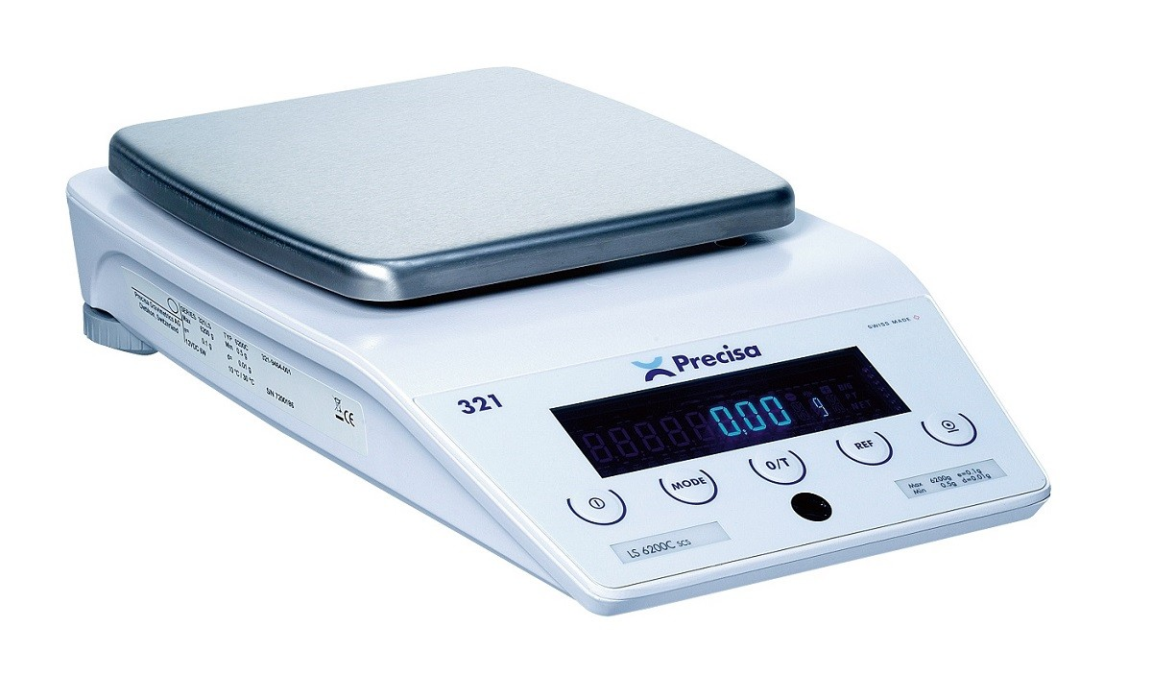
Internal calibration provides excellent convenience because the calibration weight is permanently installed inside the balance. Users can perform routine calibration quickly without purchasing additional equipment. This makes daily operation faster and reduces interruptions during laboratory work.
External calibration, however, still plays an important role. Many laboratories follow international quality standards that require periodic verification using certified external calibration weights. While internal calibration maintains day-to-day accuracy, external calibration provides documented traceability for audits and regulatory compliance.
For this reason, many professional laboratories use both methods together to achieve the highest level of measurement confidence.
Choosing the Right Balance
Selecting the right laboratory balance depends on the intended application. Capacity and readability are among the most important factors. Laboratories working with very small samples often require analytical balances capable of measuring to 0.1 milligrams, while industrial laboratories may need higher-capacity precision balances.
Other considerations include repeatability, linearity, display quality, available connectivity options, build quality, and after-sales support. Purchasing a balance from a well-known manufacturer with reliable technical service helps ensure dependable performance for many years.
Care and Maintenance
Although an internal calibration system simplifies operation, regular maintenance remains essential. The balance should always be placed on a stable, vibration-free surface away from direct sunlight, strong airflow, and excessive humidity. The weighing pan should be cleaned regularly using appropriate laboratory cleaning materials to prevent contamination.
Users should avoid placing loads above the maximum weighing capacity, as overloading may damage sensitive components. Allowing the balance to warm up before use also improves measurement stability. Routine inspection and scheduled professional servicing help maintain long-term performance and extend the instrument’s lifespan.
Common Mistakes to Avoid
Even with advanced technology, certain mistakes can reduce weighing accuracy. Using the balance on an unstable table, weighing samples while air currents are present, or placing hot objects directly on the weighing pan can all produce unreliable results.
Skipping routine calibration checks is another common mistake. Although the internal system performs automatic adjustments, laboratories should still follow their quality procedures and verify balance performance regularly. Proper operator training also plays an important role in achieving accurate and repeatable measurements.
Conclusion
A balance à calibration interne is an excellent investment for laboratories that require precise, reliable, and efficient weighing. Its automatic calibration system reduces manual work, improves measurement consistency, and minimizes the risk of human error. These advantages make it suitable for pharmaceutical research, chemical analysis, food testing, education, and industrial quality control.
While internal calibration greatly simplifies everyday operation, laboratories should continue following recommended maintenance practices and periodic external verification to maintain the highest level of accuracy. When used correctly, an internal calibration balance delivers dependable performance that supports high-quality scientific and industrial work for many years.
FAQs
Q: What is a balance à calibration interne?
A: A balance à calibration interne is a laboratory balance with a built-in calibration weight that automatically maintains accurate measurements.
Q: Why is a balance à calibration interne important?
A: It improves weighing accuracy, reduces manual calibration, and helps deliver reliable results for laboratory work.
Q: Where is a balance à calibration interne commonly used?
A: It is widely used in pharmaceutical laboratories, research centers, universities, chemical labs, and quality control facilities.
Q: Does a balance à calibration interne replace external calibration?
A: No. It performs routine automatic calibration, but periodic external calibration is still recommended for certified accuracy and compliance.
Q: What are the main benefits of a balance à calibration interne?
A: The main benefits include high precision, automatic calibration, time savings, reduced human error, and consistent weighing performance.
