

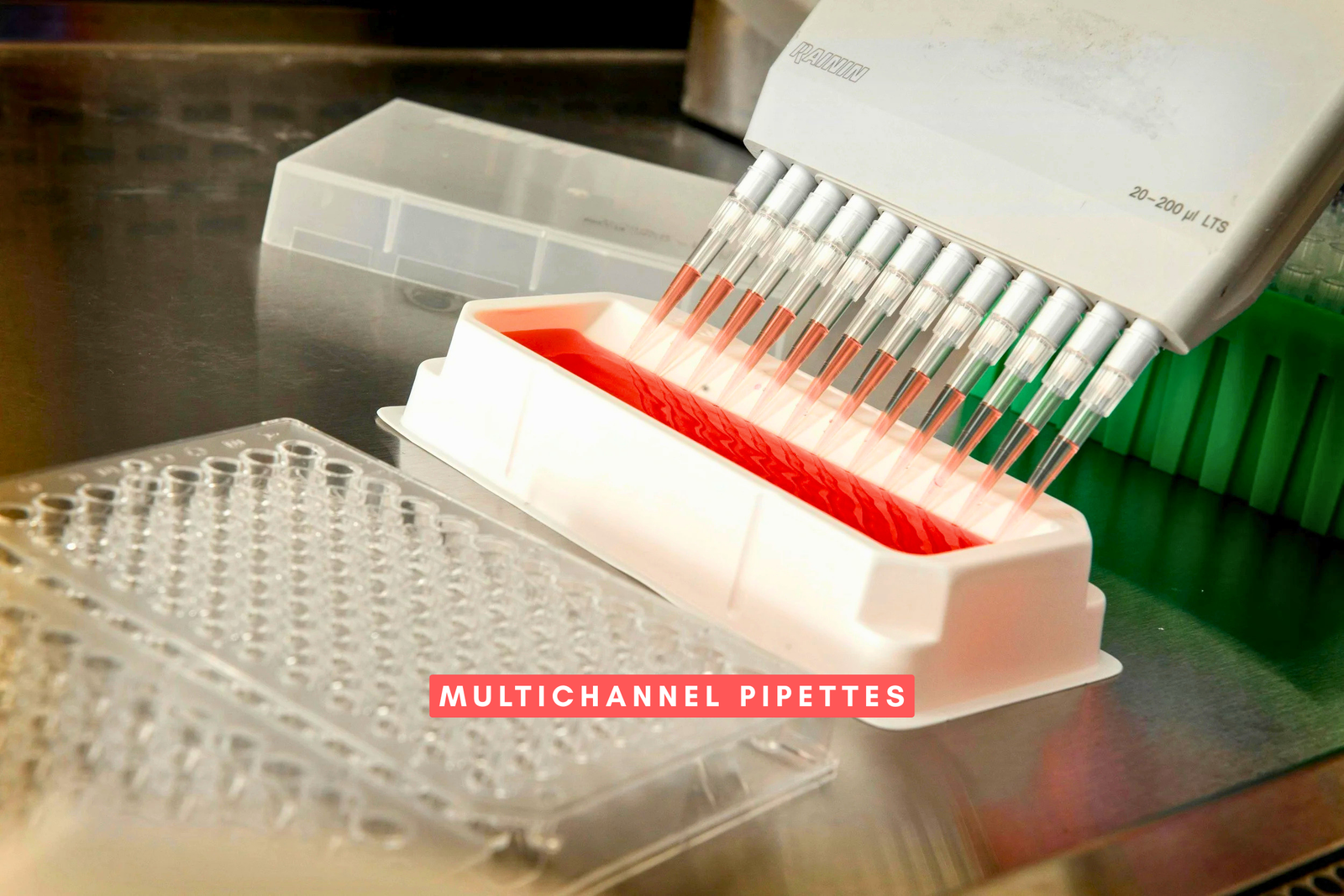
Modern laboratories handle hundreds of samples every day, making speed and precision essential for reliable results. Multichannel pipettes have become an important tool because they allow scientists to transfer liquid into several wells at the same time instead of working with one sample after another. This simple improvement reduces repetitive work, saves valuable time, and increases consistency across experiments.
Whether used in clinical diagnostics, pharmaceutical research, biotechnology, or university laboratories, these instruments support a wide range of scientific applications. Their ability to deliver the same volume of liquid through multiple channels helps improve the quality of laboratory work while reducing the risk of human error.
What Are Multichannel Pipettes?
Multichannel pipettes are precision liquid-handling instruments designed to dispense equal volumes of liquid through multiple disposable tips simultaneously. Unlike a standard pipette that transfers liquid through a single tip, these instruments typically feature 8, 12, 16, or 24 channels. This design makes them especially useful for working with 96-well and 384-well microplates used in biological and chemical testing.
By filling several wells in one movement, laboratory professionals can complete repetitive tasks much faster while maintaining excellent accuracy. This combination of efficiency and precision has made multichannel pipettes a standard tool in many modern laboratories.
How They Work
The operating process is simple and similar to that of a single-channel pipette. After attaching compatible disposable tips, the user selects the required volume using the adjustment dial. Pressing the plunger draws liquid into every tip simultaneously. The pipette is then positioned over the destination plate, where another press of the plunger dispenses the liquid evenly across all channels.
Because each channel is calibrated to deliver the same amount of liquid, multichannel pipettes help produce consistent experimental conditions. This uniformity is especially valuable in laboratory procedures where even small volume differences could affect the final outcome.
| Feature | Details |
|---|---|
| Product Name | Multichannel Pipettes |
| Category | Laboratory Equipment |
| Purpose | Simultaneous transfer of liquid into multiple wells |
| Common Channels | 8, 12, 16, and 24 channels |
| Volume Range | 0.5 µL to 1200 µL (varies by model) |
| Types | Manual and Electronic |
| Common Uses | PCR, ELISA, Cell Culture, DNA/RNA Extraction, Drug Discovery |
| Compatible Plates | 96-well and 384-well microplates |
| Main Benefits | Faster workflow, improved accuracy, reduced hand fatigue |
| Industries | Biotechnology, Pharmaceuticals, Healthcare, Research, Education |
Types of Multichannel Pipettes
Several types are available to suit different laboratory needs. Manual models remain popular because they are durable, cost-effective, and easy to operate. They are commonly found in research laboratories, educational institutions, and diagnostic centers.
Electronic multichannel pipettes provide greater convenience by using motorized controls for aspiration and dispensing. These models reduce hand fatigue during repetitive work and often include programmable functions for repeated dispensing, mixing, or sequential pipetting.
Laboratories can also choose between adjustable-volume instruments, which allow different liquid volumes for various applications, and fixed-volume models designed for repetitive testing where one specific volume is required throughout the procedure.
Benefits in Laboratory Work
One of the greatest advantages of multichannel pipettes is their ability to increase productivity. Instead of filling wells individually, scientists can process multiple samples with a single movement, significantly reducing experiment time.
These instruments also improve accuracy by delivering identical liquid volumes across all channels. Consistent dispensing helps reduce variation between samples and improves the reliability of research findings.
Another benefit is improved user comfort. Ergonomic handles and smooth plunger operation reduce strain on the hands and wrists during long laboratory sessions. This allows laboratory professionals to work more comfortably while maintaining high levels of precision.
Common Applications
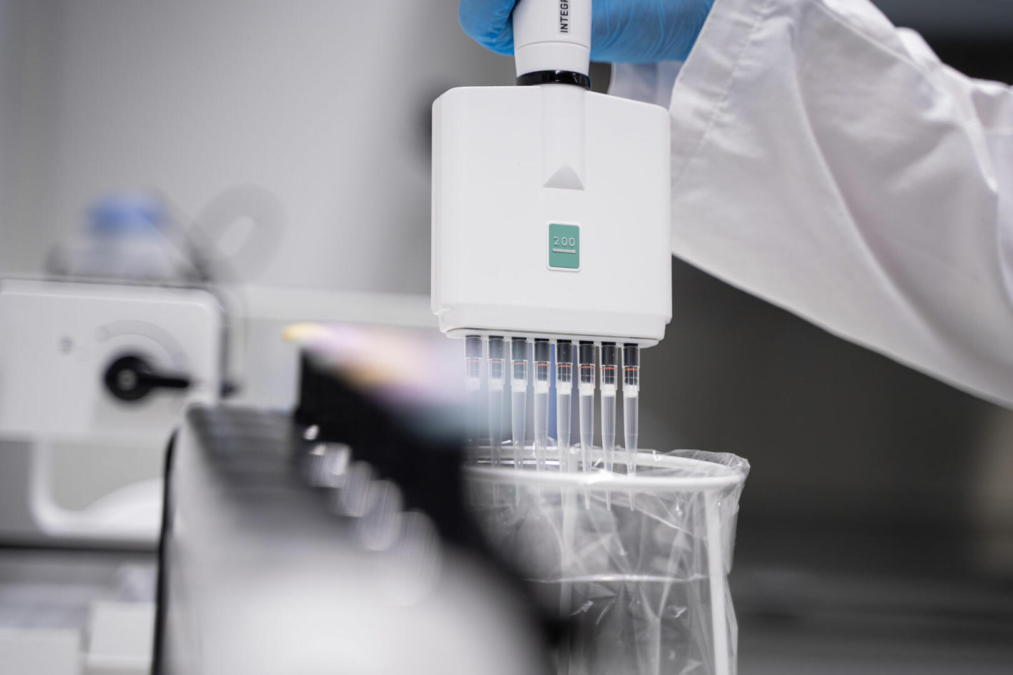
Today, multichannel pipettes are widely used in medical laboratories, pharmaceutical companies, biotechnology facilities, and academic research institutions. They play an important role in PCR preparation, ELISA testing, DNA and RNA extraction, protein analysis, and cell culture experiments.
Clinical laboratories use them to process patient samples efficiently, while pharmaceutical researchers depend on them during drug development and quality control testing. Food safety laboratories and environmental testing facilities also use these instruments when processing large numbers of samples that require accurate liquid transfer.
Choosing the Right Pipette
Selecting the right laboratory instrument depends on several important factors. Volume range should match the laboratory’s routine applications, while the number of channels should correspond to the microplate format used most frequently.
Comfort is another key consideration. Lightweight construction, balanced design, and smooth operation help reduce operator fatigue during extended use. Laboratories that perform repetitive testing often choose electronic multichannel pipettes because they improve efficiency while minimizing manual effort.
It is also important to select models that are compatible with high-quality disposable tips and supported by reliable calibration and maintenance services.
Maintenance and Best Practices
Proper maintenance is essential for ensuring long-term performance. After each use, the pipette should be cleaned according to laboratory guidelines, and disposable tips should always be replaced between samples to prevent contamination.
Routine calibration verifies that multichannel pipettes continue delivering accurate liquid volumes. Many laboratories include calibration as part of their quality assurance program to maintain reliable performance throughout the instrument’s lifespan.
Users should always pipette smoothly, hold the instrument vertically during aspiration, and avoid sudden plunger movements that may introduce air bubbles. Correct technique helps maximize both precision and repeatability.
Conclusion
Multichannel pipettes have transformed modern laboratory workflows by making repetitive liquid handling faster, more accurate, and more consistent. Their ability to dispense identical liquid volumes across multiple samples saves time while improving experimental reliability.
As laboratory science continues to advance, multichannel pipettes will remain essential tools for researchers, healthcare professionals, and quality control laboratories. Choosing the right model, following proper maintenance procedures, and using correct pipetting techniques will ensure dependable performance and high-quality scientific results for years to come.
