


Introduction
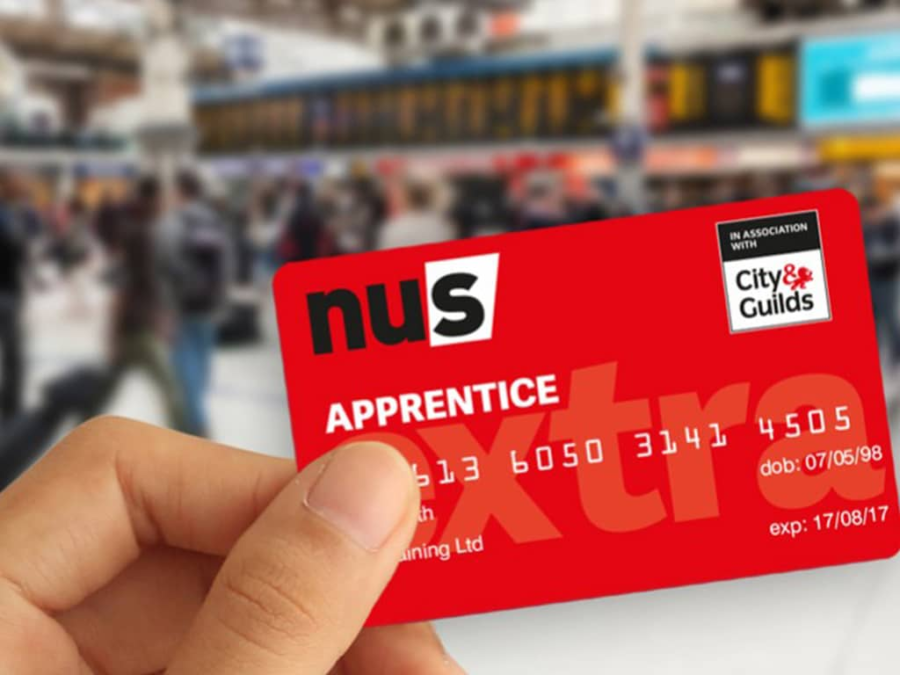
The NUS Apprentice Extra Card was designed to help apprentices access discounts and save money while they trained and worked. Apprenticeships are a valuable route into employment, but they can still come with everyday costs such as travel, food, clothing, and social spending. A discount card made specifically for apprentices gave learners a practical way to reduce those expenses.
Unlike student discount schemes that mainly focused on university learners, the NUS Apprentice Extra Card recognised that apprentices are also in education and deserve support. It helped bring vocational learners into the wider discount culture that had long benefited full-time students.
Over time, the service became linked to broader student discount platforms and later moved toward the TOTUM brand. Even though the original name is less common now, the idea behind it remains important: apprentices should have access to savings that make training life a little easier.
What the Card Was
The NUS Apprentice Extra Card was a membership-based discount card for eligible apprentices in the United Kingdom. It allowed users to prove their apprentice status and unlock offers from participating retailers, restaurants, entertainment venues, and online brands.
The NUS Apprentice Extra Card was part of a wider effort to support vocational education. Apprentices spend time learning practical skills, attending training, and working in real jobs, so financial support through discounts could make a real difference.
Its purpose was straightforward. It aimed to help apprentices keep more money in their pockets while they built their careers. Whether someone was buying lunch, shopping for clothes, or ordering something online, the card could provide useful savings.
Why Apprentices Needed Support
Apprenticeships offer a strong route into work because learners earn while they learn. However, many apprentices are young adults who still face the same financial pressures as other learners. Travel costs, personal bills, and daily living expenses can quickly add up.
That is why discount schemes became so valuable. Even small savings on regular purchases could help apprentices manage their budgets better. Over time, those savings could make a noticeable difference.
The NUS Apprentice Extra Card also sent an important message. It showed that apprentices should be recognised in the same way as other learners, not left out of support systems that help reduce the cost of education.
| Category | Details |
|---|---|
| Name | NUS Apprentice Extra Card |
| Type | Apprentice discount membership card |
| Purpose | Help apprentices save money through discounts |
| Country | United Kingdom |
| Target Users | Registered apprentices |
| Main Benefits | Shopping, food, travel, entertainment discounts |
| Launched By | National Union of Students (NUS) |
| Current Connection | Linked with modern TOTUM discount services |
| Availability | Mainly replaced by newer discount platforms |
| Official Focus | Supporting apprentices with financial benefits |
Main Benefits
One of the biggest advantages of the NUS Apprentice Extra Card was access to discounts across everyday spending categories. Apprentices could often find offers on fashion, technology, food, entertainment, and online shopping.
For many users, the NUS Apprentice Extra Card opened the door to savings that were easy to use and easy to understand. Retail savings were especially useful because clothing, gadgets, and personal items can be expensive. A discount card gave apprentices a chance to make smarter purchases without stretching their budget too far.
Food and leisure offers were also popular. Many apprentices enjoy meeting friends, travelling, or going out after work or training. Discounts in these areas helped them enjoy social life without overspending.
Online Savings
As shopping moved more online, digital discounts became even more useful. Apprentices could use codes and special offers when buying from participating websites. This made it easier to save money without needing to carry physical vouchers or paper coupons.
The NUS Apprentice Extra Card was especially helpful for online shopping because many apprentices prefer quick, flexible ways to access deals. Online savings were useful for both everyday purchases and occasional spending. From gifts to electronics, the card gave apprentices more flexibility when shopping.
The growth of digital platforms also made discount services easier to use. Many modern membership systems now work through apps or websites, which means users can access offers quickly and conveniently.
Changes Over Time
The original NUS Extra branding changed as student discount services developed. The NUS Apprentice Extra Card later became part of TOTUM, which expanded the range of benefits available to students and apprentices.
Although the old card name is not used as widely today, the purpose behind it still matters. Modern discount platforms continue to offer savings for learners across the UK, including apprentices who want support during their training.
Anyone looking for current offers should check the latest membership rules and eligibility details from recognised discount providers.
Eligibility and Access
The NUS Apprentice Extra Card was generally available to registered apprentices who could show proof of their status. The exact requirements depended on the provider and the membership rules at the time.
Applying for the NUS Apprentice Extra Card was usually straightforward, especially when training providers or apprenticeship organisations helped learners understand the process. This made it easier for apprentices to find out what support was available to them.
The system was designed to be simple because the goal was to make savings accessible to people already working hard to build their future.
Public Profile and Relevance
The NUS Apprentice Extra Card is not a person, so details such as age, height, family background, physical appearance, or net worth do not apply. Its identity comes from its purpose and the support it offered to apprentices.
Its online presence focused mainly on membership information, discount access, and learner benefits. Today, similar services use websites and social media to share updates, offers, and education-related news.
Final Thoughts
The NUS Apprentice Extra Card was an important initiative that helped apprentices save money and feel recognised within the wider education system. It showed that learning does not only happen at university and that apprentices also face financial pressures while training.
Although the original name has changed, the idea remains relevant. Apprentices still benefit from discounts that help them manage everyday costs and focus on their careers.
For many learners, even small savings can make a meaningful difference. A discount card may seem simple, but it represents a wider commitment to supporting vocational education and the people who choose it.
