

Introduction to Reprocessed Plastic Materials
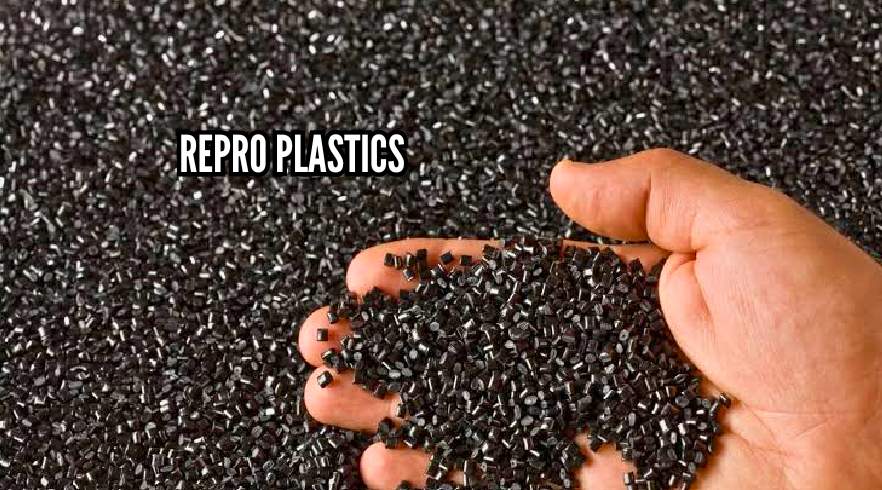
Repro plastics have become an important part of modern plastic manufacturing because industries are looking for practical ways to reduce waste and use resources more responsibly. These materials are made by collecting plastic waste, processing it, and turning it into reusable raw material for new products.
The demand for sustainable manufacturing has pushed many companies to look at recycled materials more seriously. Instead of sending plastic waste to landfills after a single use, businesses can recover valuable polymers and give them a second life. This helps reduce environmental pressure and supports a more circular production system.
Plastic manufacturers, automotive companies, packaging businesses, and construction firms now use recycled materials to make reliable products while lowering their dependence on newly produced plastic. Repro plastics offer a useful option for companies that want to balance performance, cost, and sustainability.
What Are Repro Plastics?
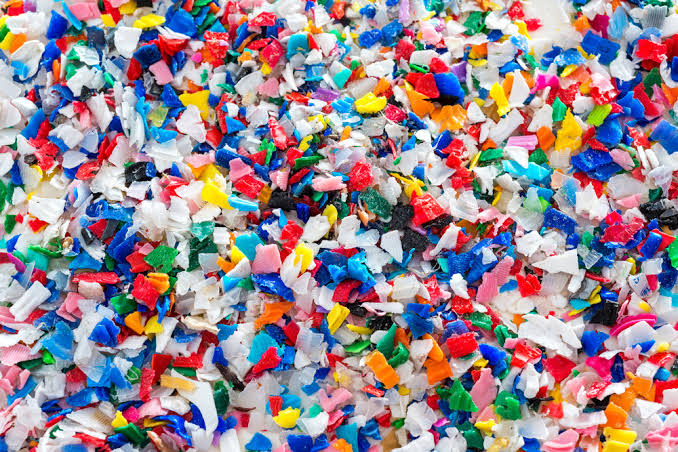
Repro plastics are recycled plastic materials processed from previously used plastic products or industrial plastic waste. The recycling process changes discarded plastic into a usable form, usually as pellets, granules, or flakes that can be used again in manufacturing.
These materials are commonly produced from waste collected from factories, damaged products, packaging materials, and post-consumer items. The plastic is cleaned, sorted, shredded, melted, filtered, and shaped into new raw material.
The quality of recycled plastic depends on several factors, including the original plastic type, contamination levels, sorting accuracy, and recycling technology. High-quality recycled materials can perform very similarly to new plastic in many applications.
How the Recycling Process Works
The process begins with collecting plastic waste from different sources. Industrial waste is often preferred because it is usually cleaner and more consistent than mixed household waste.
After collection, the plastic is separated according to polymer type. Different plastics such as polypropylene, polyethylene, and PET have different properties, so proper sorting is necessary to achieve good results.
The sorted plastic then goes through washing and cleaning stages to remove dirt, labels, chemicals, and other unwanted materials. Once cleaned, the plastic is broken into smaller pieces through shredding.
During the next stage, the shredded material is heated until it melts. The melted plastic passes through filters that remove remaining impurities. Finally, the material is cooled and cut into small pellets that manufacturers can use in production.
This process allows repro plastics to become a practical alternative material for many manufacturing applications.
Main Types of Recycled Plastic Materials
Different types of plastic can be recycled depending on their chemical structure and properties. Each type offers unique advantages for specific industries.
HDPE recycled plastic is known for its strength, durability, and resistance to chemicals. It is commonly used for containers, pipes, bottles, and industrial products.
PP recycled plastic is lightweight and has excellent resistance to heat and chemicals. It is widely used in automotive components, packaging products, and household items.
LDPE recycled plastic provides flexibility and is often used for films, bags, and protective packaging materials. PET recycled plastic is commonly found in bottle recycling and packaging applications.
Choosing the right recycled plastic type depends on the required strength, flexibility, appearance, and performance of the final product.
Benefits of Using Recycled Plastic Materials
One of the biggest advantages of recycled plastic materials is waste reduction. Plastic waste can remain in the environment for many years, so recycling helps prevent unnecessary disposal and pollution.
Using recycled materials also reduces the need for extracting new raw resources. Traditional plastic production depends heavily on fossil-based materials, while recycling helps conserve these limited resources.
Another important benefit is cost efficiency. Many manufacturers choose recycled materials because they can reduce raw material expenses while maintaining acceptable product quality.
From an environmental perspective, recycled plastic production can require less energy than producing new plastic. This can help businesses reduce their overall environmental impact and move toward more sustainable operations.
The use of repro plastics also supports the idea of a circular economy, where materials are reused instead of becoming waste after a single purpose.
Industrial Applications and Uses
Recycled plastic materials are used in many industries because of their flexibility and practical performance. Packaging companies use them for containers, protective packaging, and various plastic products.
In the automotive sector, recycled plastics are used for interior parts, covers, panels, and different vehicle components. Manufacturers benefit from lightweight materials that help improve efficiency.
The construction industry also uses recycled plastic for products such as pipes, boards, outdoor furniture, and building materials. These applications show how recycled materials can replace traditional options in many areas.
Industrial manufacturers use recycled plastic for pallets, storage containers, machine parts, and protective equipment. As recycling technology improves, the number of possible applications continues to grow.
Challenges and Future Growth
Although recycled plastic provides many benefits, there are still challenges that industries need to manage. One major challenge is contamination. Mixed waste materials can affect the quality and appearance of recycled products.
Sorting different plastic types can also be difficult and expensive. Proper separation is important because mixing unsuitable materials may reduce the strength and reliability of the final product.
Another challenge is that some plastics can lose certain properties after repeated recycling. However, improvements in technology continue to increase recycling efficiency and material quality.
The future of recycled plastic looks promising as more industries focus on sustainability and responsible production. Governments, businesses, and consumers are becoming more aware of the importance of reducing plastic waste.
New recycling technologies are improving the quality and availability of recycled materials. Chemical recycling and advanced sorting systems may create even more opportunities for recovering difficult plastic waste.
As environmental regulations become stricter, many manufacturers are expected to increase their use of recycled materials. Repro plastics will continue to play an important role in helping industries create products with lower environmental impact.
Conclusion
Recycled plastic materials have changed the way industries think about plastic production. They provide a practical solution for reducing waste, saving resources, and creating more sustainable manufacturing systems.
Although challenges remain, improvements in recycling technology are making recycled materials more reliable and widely available. With increasing global attention on sustainability, repro plastics are expected to become an essential part of the future plastic industry.
By choosing recycled materials, manufacturers can support environmental protection while continuing to produce high-quality products for everyday use.
FAQs
Q: What are repro plastics?
A: Repro plastics are recycled plastic materials made by processing waste plastic into reusable raw materials for manufacturing.
Q: How are repro plastics produced?
A: Repro plastics are produced through sorting, cleaning, shredding, melting, filtering, and converting plastic waste into pellets.
Q: What are the benefits of repro plastics?
A: Repro plastics help reduce waste, save resources, lower costs, and support environmentally friendly production.
Q: Where are repro plastics used?
A: Repro plastics are used in packaging, automotive parts, construction products, containers, and industrial applications.
Q: Are repro plastics better than virgin plastics?
A: Repro plastics offer sustainability benefits, while virgin plastics provide consistent quality for specific manufacturing needs.
