

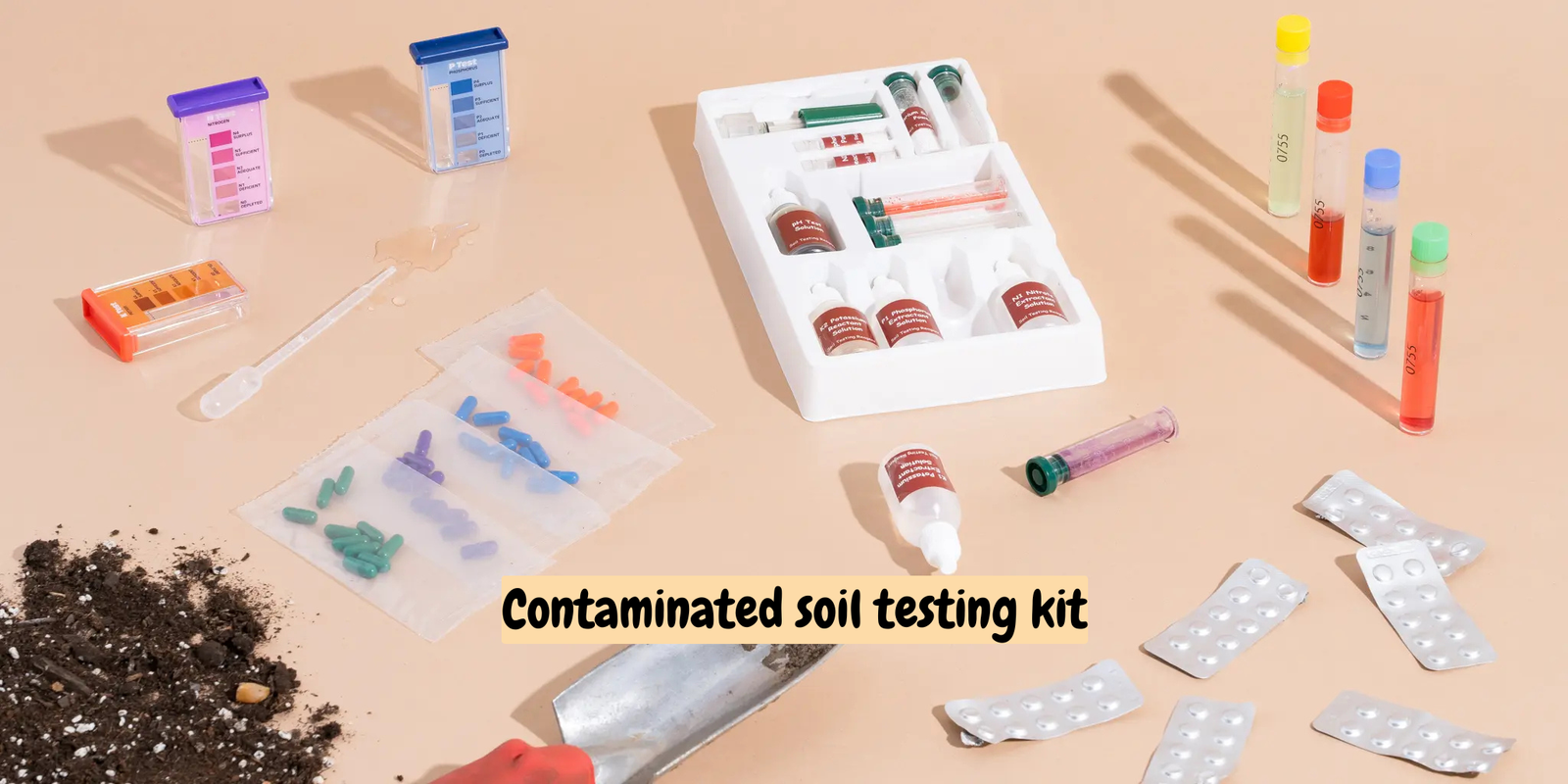
A contaminated soil testing kit is one of the most useful tools for checking whether soil contains harmful substances that could affect human health, plants, or the environment. Whether you are planning to grow vegetables, buy land, or start a construction project, testing the soil first can help you avoid expensive mistakes and protect your family from hidden contaminants.
Many people believe soil is naturally safe, but years of industrial activity, heavy traffic, pesticides, old paint, and construction waste can leave dangerous chemicals behind. Using a contaminated soil testing kit provides valuable information about soil quality before you begin any project. It is a simple step that can make a significant difference in creating a healthier and safer environment.
What Is a Contaminated Soil Testing Kit?
A contaminated soil testing kit is designed to identify harmful substances that may be present in soil. Some kits provide quick results at home, while others require you to collect a soil sample and send it to a certified laboratory for professional testing.
Laboratory-based testing is generally more accurate because advanced instruments can detect even very small amounts of contaminants. Home testing kits, however, are useful for basic screening and can help homeowners understand whether additional testing may be needed.
Why Soil Testing Is Important
Soil contamination is often invisible. A garden or empty piece of land may appear healthy while containing pollutants beneath the surface. A contaminated soil testing kit helps identify these hidden problems before they become serious.
Testing is especially important for vegetable gardens because some plants can absorb heavy metals from the soil. Families with young children should also consider testing if they live near busy roads, former industrial sites, or older homes where lead contamination may be present.
| Feature | Details |
|---|
| Name | Contaminated Soil Testing Kit |
| Category | Environmental Testing Equipment |
| Purpose | Detects harmful contaminants in soil |
| Common Uses | Gardening, farming, landscaping, construction, environmental assessments |
| Tests For | Lead, arsenic, mercury, cadmium, pesticides, petroleum products, pH (varies by kit) |
| Users | Homeowners, gardeners, farmers, environmental consultants, laboratories |
| Testing Method | DIY chemical testing or laboratory analysis |
| Accuracy | Home kits offer basic screening; laboratory tests provide higher accuracy |
| Availability | Garden centers, laboratory suppliers, and online stores |
| Price Range | Approximately US$15–US$500+, depending on the kit and laboratory services |
Common Contaminants Found in Soil
A quality contaminated soil testing kit can detect several harmful substances depending on the type of test selected. Heavy metals such as lead, arsenic, mercury, and cadmium are among the most common contaminants. Some professional laboratory tests also check for petroleum products, pesticides, herbicides, industrial chemicals, and other pollutants.
These contaminants may enter the soil through factories, mining activities, vehicle emissions, agricultural chemicals, or improper waste disposal. Knowing what is present allows landowners to make informed decisions about how the property should be used.
How to Use a Contaminated Soil Testing Kit
Using a contaminated soil testing kit begins with collecting soil samples from several locations around the property. Mixing these samples together creates a more representative sample of the entire area.
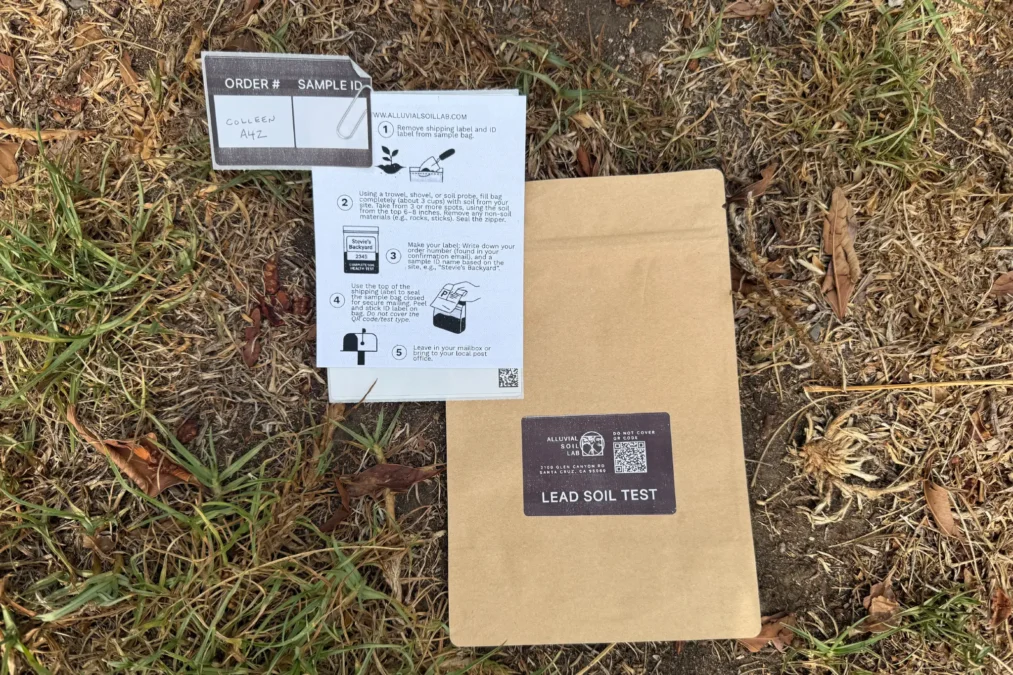
If you are using a laboratory kit, the sample is sealed according to the instructions and mailed for analysis. After testing, the laboratory provides a report explaining the detected contaminants, their concentrations, and whether further action is recommended.
Following the instructions carefully is essential because improper sampling can reduce the accuracy of the results.
Home Testing or Professional Laboratory?
A basic contaminated soil testing kit purchased from a garden center is suitable for general screening. These kits are affordable, easy to use, and often provide quick results.
Professional laboratory testing offers greater accuracy and a much wider range of contaminant detection. If you are buying property, developing land, or growing food commercially, laboratory analysis is usually the better option because it provides reliable scientific data.
Understanding Your Results
The report from a contaminated soil testing kit should be interpreted using local environmental guidelines. Low levels of certain substances may be considered safe, while higher concentrations may require remediation or additional investigation.
If contamination exceeds recommended limits, experts may suggest removing affected soil, adding clean topsoil, using raised garden beds, or limiting certain land uses. Professional advice helps ensure that any corrective measures are both effective and safe.
Choosing the Best Testing Kit
When selecting a contaminated soil testing kit, consider what you need to test for. Gardeners often focus on heavy metals, while construction companies may require a broader environmental assessment.
It is also important to choose a kit from a reputable manufacturer or laboratory with recognized quality standards. Reading product information carefully will help you understand exactly which contaminants are included in the analysis.
Benefits of Soil Testing
Using a contaminated soil testing kit offers many advantages. It helps protect your family’s health, supports safer gardening, reduces environmental risks, and prevents unexpected costs during construction projects. It also provides confidence that the land is suitable for its intended purpose.
Many homeowners discover that testing their soil before planting vegetables gives them peace of mind. Knowing that crops are growing in safe soil is an important part of producing healthy food.
Limitations to Consider
Although a contaminated soil testing kit is highly useful, no single kit can identify every possible contaminant. Basic home kits usually detect fewer substances than laboratory services, and results may vary depending on how samples are collected.
If contamination is strongly suspected because of the property’s history, professional environmental testing is the most dependable option.
Conclusion
A contaminated soil testing kit is an essential tool for anyone planning to garden, farm, build, or purchase land. Testing provides valuable information about hidden contaminants that cannot be seen with the naked eye. By identifying potential risks early, property owners can make informed decisions that protect their health, improve environmental safety, and avoid costly surprises.
It is also important to remember that a contaminated soil testing kit is a product, not a person. Therefore, details such as age, family, height, physical appearance, net worth, siblings, and social media accounts do not apply. Instead, the value of a testing kit lies in its ability to provide accurate information about soil quality, helping people create safer homes, healthier gardens, and more sustainable environments.
