

Overview
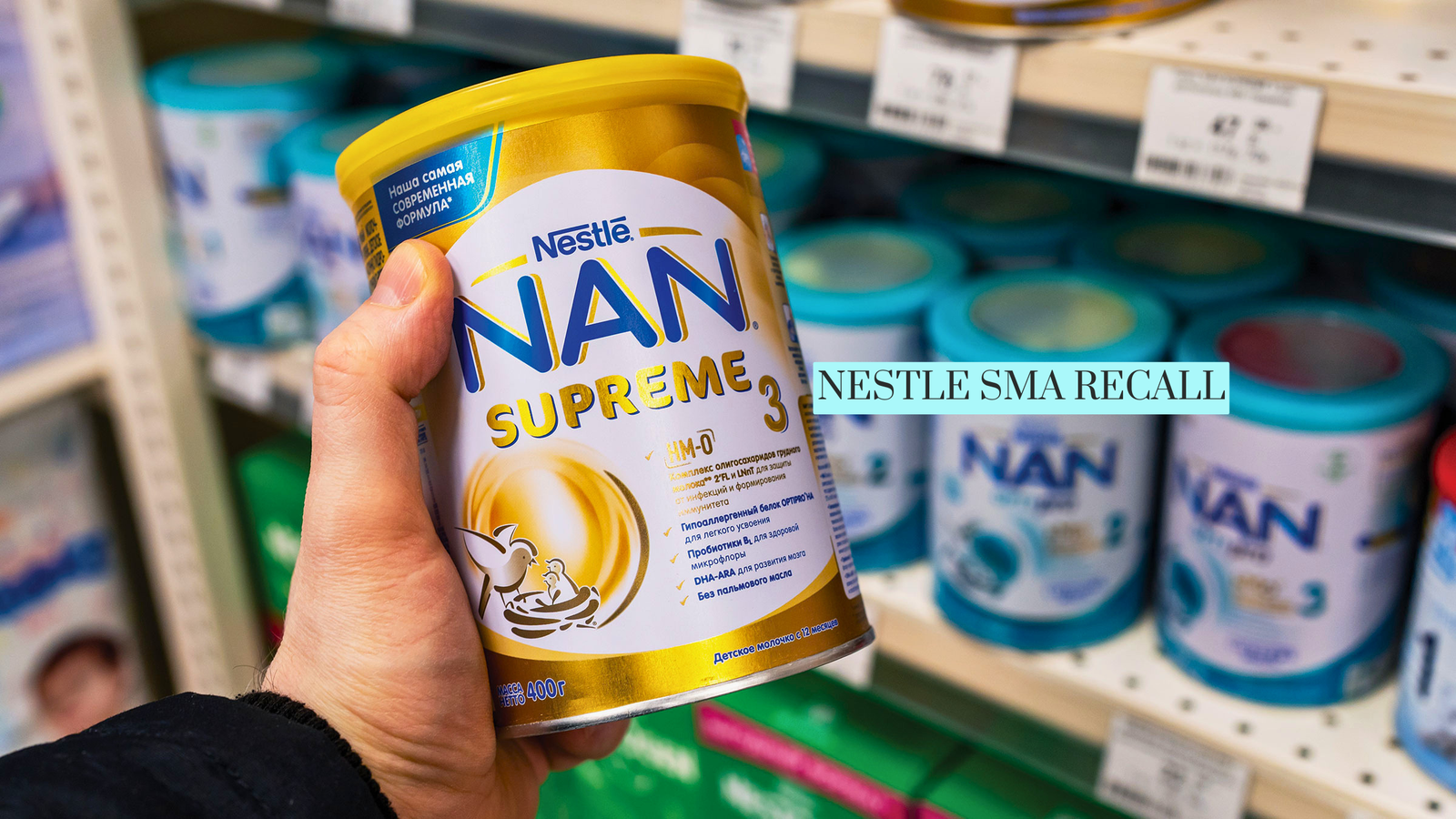
The topic of Nestlé SMA recall has attracted attention among parents and caregivers who depend on infant formula for their baby’s daily nutrition. Infant feeding is one of the most sensitive areas of childcare, and even a small safety concern can quickly create worry among families.
The Nestlé SMA recall is not related to any person or celebrity. It refers to a baby formula product line under Nestlé called SMA, which is widely used in many countries as infant milk for babies who are not breastfed or require supplementary feeding. When a recall happens in this category, it is usually linked to strict global food safety monitoring systems designed to protect infants from even the smallest potential risk.
What the Recall Means
When people hear Nestlé SMA recall, it may sound alarming, but a recall simply means that specific batches of a product are removed from sale or use because they may not fully meet safety standards.
This does not always confirm that the product is harmful. Instead, it indicates a possible risk that requires investigation. In the case of the Nestlé SMA recall, the action was precautionary, meaning it was taken before any confirmed widespread harm occurred.
Such measures are common in the food industry, especially for infant formula, where safety standards are extremely strict. The main purpose is to ensure that no potentially affected products remain in homes or stores while checks are ongoing.
Why It Happened
The main concern behind the Nestlé SMA recall was the possible presence of Bacillus cereus related toxins in certain batches. This bacterium naturally exists in the environment and can occasionally enter powdered food products during production or handling if contamination occurs.
One toxin produced by this bacteria may lead to symptoms such as nausea, vomiting, and stomach discomfort. While the risk in this case was considered low, infant formula is treated with extra caution because babies have developing immune systems and are more sensitive than adults.
For this reason, food safety authorities and the manufacturer acted quickly. The Nestlé SMA recall was issued to remove potentially affected batches from circulation before any confirmed health issues could spread.
| Category | Details |
|---|---|
| Product Name | SMA Infant Formula (Nestlé) |
| Type | Baby milk / infant nutrition product |
| Event | Product recall (precautionary safety action) |
| Company | Nestlé |
| Reason for Recall | Possible risk of Bacillus cereus related toxin contamination in some batches |
| Health Concern | Possible stomach upset, vomiting, nausea (in rare cases) |
| Affected Area | Selected countries/regions (varies by batch distribution) |
| Status | Precautionary recall (not all products affected) |
| Action Taken | Affected batches removed from market |
| Consumer Advice | Check batch numbers, avoid using affected products |
| Risk Level | Considered low but treated seriously for infant safety |
| Target Users | Infants (0–12 months and follow-on milk users) |
Which Products Were Affected
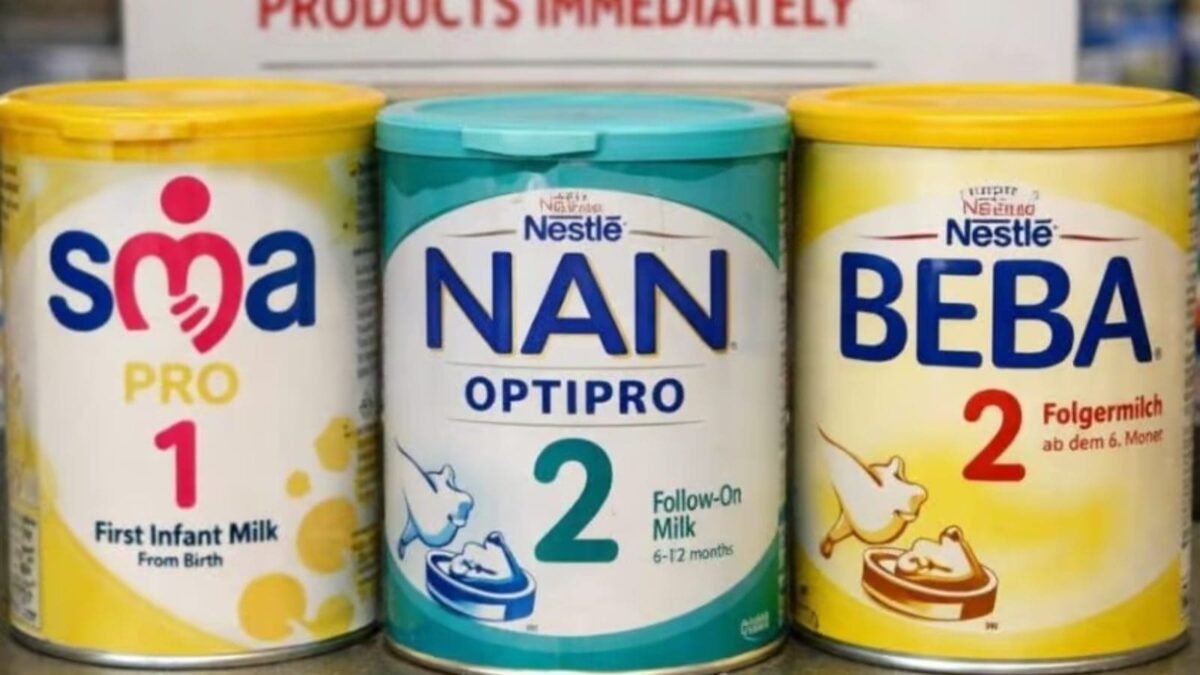
The recall involved selected batches of SMA infant formula distributed in multiple regions. These included specific infant milk and follow-on formula variants.
It is important to understand that not all SMA products were part of the Nestlé SMA recall. Only certain batch numbers were affected, and these were clearly identified using codes printed on product packaging.
Parents were advised to carefully check the batch number and expiry date on their tins. If a product matched the affected list, it should not be used and was to be returned or disposed of according to official instructions.
Safety Response and Monitoring
The Nestlé SMA recall reflects how modern food safety systems operate. Infant formula is one of the most heavily regulated food categories globally. Manufacturers routinely test products during production, and independent authorities conduct inspections and safety reviews.
When a potential issue is identified, companies often issue voluntary recalls even before full confirmation. This ensures maximum consumer protection.
In this situation, Nestlé worked alongside regulatory authorities to remove affected products from shelves. The aim was to ensure that unaffected products could still be used safely while investigations continued.
What Parents Were Advised
During the Nestlé SMA recall, parents were given clear guidance. The first step was checking batch codes on packaging. If a product matched the affected range, parents were instructed not to feed it to their baby.
Health authorities also advised parents to monitor infants for any unusual symptoms if the product had already been consumed. Serious illness was considered unlikely, but precautionary monitoring helped ensure early care if needed.
Customers were also encouraged to contact support services for refunds or replacement products. In most cases, companies offered full assistance to affected families.
No Personal Profile Behind the Name
A common misunderstanding is treating Nestlé SMA recall as if it refers to a person. However, SMA is not an individual but a product brand.
This means that personal details such as age, height, family background, siblings, net worth, lifestyle, or social media presence do not apply.
There is no biography associated with the Nestlé SMA recall because it is strictly a food safety event involving infant formula products, not a human subject.
Company Action and Communication
Nestlé follows strict global safety protocols, and in the case of the Nestlé SMA recall, the company issued public notices and worked closely with regulators.
Clear communication is essential during product recalls. Parents need simple and direct instructions to act quickly and safely. Updates were shared through official advisory channels and retailers.
The company also clarified that the recall was precautionary and that most SMA products available in the market were not affected.
Importance of Food Safety in Infant Products
The Nestlé SMA recall highlights how seriously infant nutrition safety is treated worldwide. Baby formula is one of the most carefully regulated food products because it is often a primary source of nutrition for newborns and infants.
Manufacturers invest heavily in quality control, hygiene systems, and laboratory testing. However, no production system is entirely free from risk, which is why recalls exist as an additional safety layer.
Events like the Nestlé SMA recall show that food safety systems are active and responsive, identifying and addressing risks early before they escalate.
What This Means for Consumers
For consumers, the key takeaway from the Nestlé SMA recall is awareness rather than panic. It shows that safety monitoring systems are functioning correctly and that companies are required to act quickly when even a potential issue is detected.
Parents using infant formula are encouraged to regularly check packaging details and stay updated on product advisories. This ensures they are always using safe and verified products.
At the same time, it is important not to assume that all SMA products are affected. The recall applied only to specific batches, not the entire product range.
Conclusion
The Nestlé SMA recall is an important example of how food safety systems protect vulnerable consumers, especially infants. While the situation may have caused concern, the response was swift, controlled, and precautionary, focusing on preventing any possible risk.
SMA is purely a baby formula brand, not a person, so no personal biography applies. The recall was strictly about product safety, not identity.
Overall, the key lesson is the importance of vigilance, transparency, and strong regulatory oversight in maintaining trust in infant nutrition products. The Nestlé SMA recall reinforces the idea that infant safety always comes first, ensuring parents can continue making feeding decisions with confidence.
