

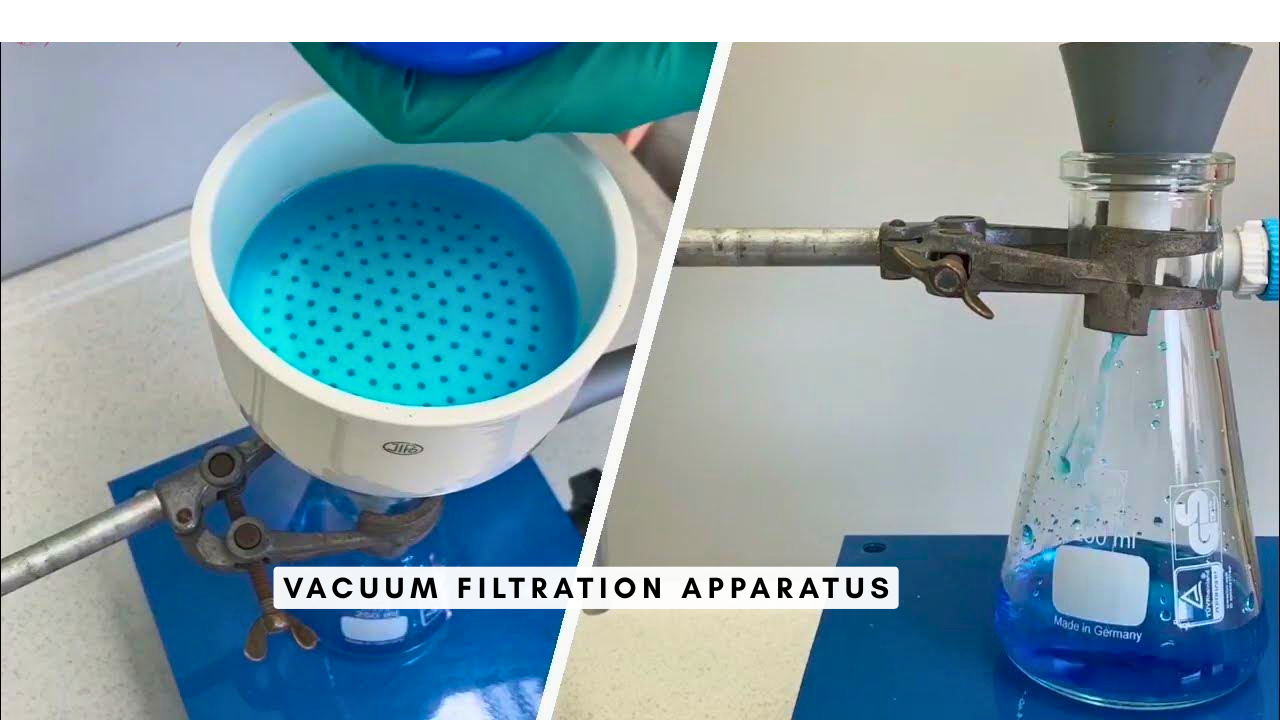
A vacuum filtration apparatus is a laboratory device used to separate solid particles from liquids by using suction pressure. It makes filtration faster and more efficient than normal gravity filtration because the vacuum pulls liquid through a filter while solid materials remain behind.
This equipment is commonly used in chemistry laboratories, pharmaceutical industries, environmental testing, food processing, and scientific research. It helps scientists collect solid compounds, clean liquid samples, and complete filtration tasks in a shorter time. Its accuracy and efficiency make it an important tool in many laboratory environments.
Understanding Vacuum Filtration
Filtration is a process used to separate solid materials from liquid mixtures. In ordinary filtration, gravity slowly moves liquid through a filter while solid particles are trapped. This method works well for simple tasks but may take more time when dealing with fine particles or large amounts of liquid.
A vacuum filtration system improves the process by creating a pressure difference. A vacuum pump removes air from the flask, producing suction that pulls the liquid through the filter material. This allows faster separation and helps remove extra moisture from collected solids.
This method is especially useful when researchers need to collect crystals, powders, or chemical products after experiments.
Main Parts of the Equipment
A filtration setup contains several important components that work together. The filter funnel holds the filter paper or membrane where solid particles are collected. A Büchner funnel is commonly used because it provides a flat surface for effective filtration.
The filter paper or membrane separates solids from liquids. Different filter materials are chosen according to particle size and the type of sample being processed.
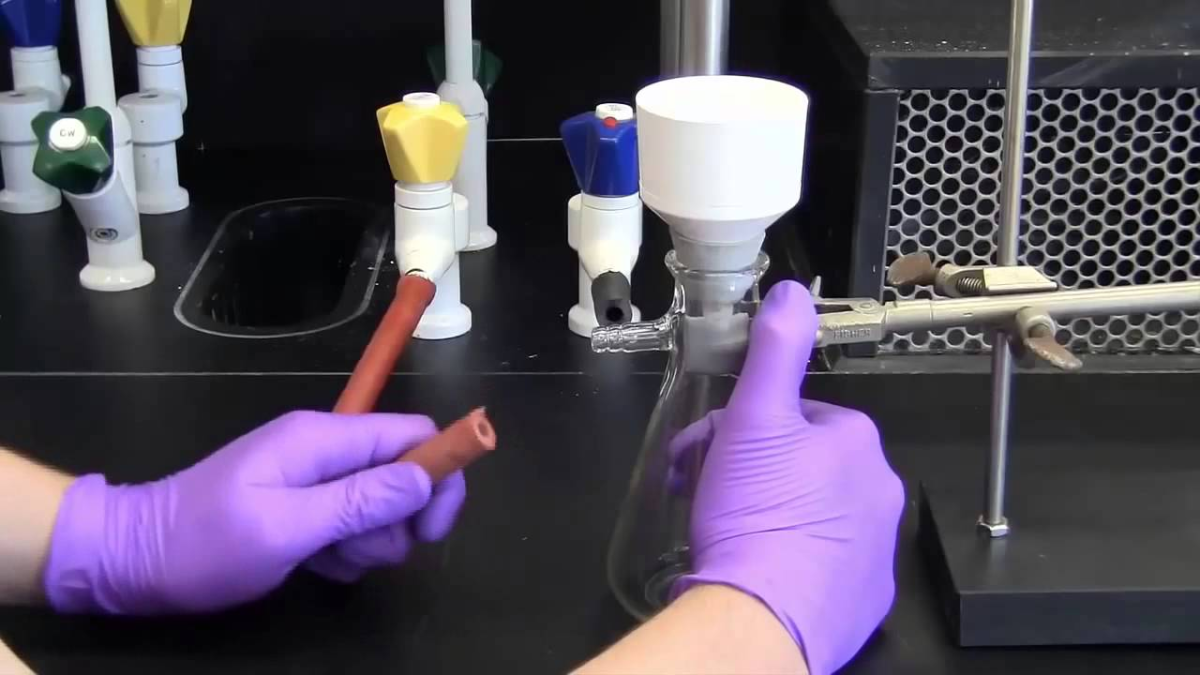
The vacuum flask collects the filtered liquid and is designed to handle pressure changes safely. It connects to a vacuum pump through strong tubing, which creates the suction required for filtration.
Each part plays an important role in ensuring smooth and reliable operation.
How Vacuum Filtration Works
The working process depends on reducing pressure inside the filtration flask. When the vacuum pump removes air, the pressure inside the flask becomes lower than the surrounding environment.
The liquid mixture is placed into the filter funnel. The pressure difference pulls the liquid through the filter and into the flask below, while solid particles remain on the filter surface.
After filtration, the collected solid material can be dried, measured, or used for further research. The speed of the process depends on factors such as filter type, liquid thickness, particle size, and vacuum strength.
Benefits of Vacuum Filtration
One of the biggest advantages of this method is faster filtration. The suction force allows liquids to move through filters much quicker compared with traditional filtration methods.
Another benefit is improved collection of solid materials. When scientists collect crystals or powders, the vacuum helps remove remaining liquid, producing a cleaner and drier final product.
The system also provides flexibility because different filters can be selected based on the requirements of each experiment. This makes it suitable for many laboratory applications.
In industrial environments, faster filtration helps improve productivity and reduces processing time.
Applications in Different Fields
The vacuum filtration apparatus is widely used in chemistry laboratories. Many experiments require separating solid compounds from liquid solutions, making this equipment highly valuable.
In pharmaceutical production, filtration systems help remove unwanted particles and improve the quality of medicines. Clean separation is important for maintaining product safety and effectiveness.
Environmental scientists use filtration equipment for water testing. It helps collect pollutants, suspended particles, and microorganisms for further study.
Microbiology laboratories use membrane filtration techniques to capture bacteria and other tiny organisms from liquid samples. Food and beverage industries also use filtration methods to improve product quality.
Types of Vacuum Filtration
Different filtration methods are available depending on the purpose of the work. The Büchner funnel method is one of the most common and is mainly used for collecting solid materials during chemical experiments.
Membrane filtration uses thin filters with very small openings. It is useful for removing tiny particles and microorganisms, especially in biological research.
Glass filtration systems are used when chemical resistance is needed. They are durable and suitable for special laboratory conditions.
Selecting the correct filtration method depends on the material being filtered and the desired results.
Importance in Scientific Research
Scientific research requires clean and accurate sample preparation. Even small amounts of contamination can affect results, making reliable filtration methods necessary.
A vacuum filtration apparatus helps researchers achieve better separation and improves laboratory accuracy. It supports research in chemistry, biology, medicine, and material science.
Although filtration is a simple process, it plays an important role in scientific discoveries by helping researchers study materials more effectively.
Safety and Maintenance
Safety is essential when using laboratory filtration equipment. Glass parts should always be checked before use because cracks can become dangerous under vacuum pressure.
All connections between the flask, tubing, and pump should be secure to prevent leaks and maintain proper suction. Users should wear protective equipment such as gloves and safety glasses when handling chemicals.
Regular maintenance also improves performance. Equipment should be cleaned after use, filters should be replaced when damaged, and tubing should be inspected regularly.
Proper care increases equipment life and helps maintain accurate results.
Vacuum Filtration Compared With Gravity Filtration
Gravity filtration depends only on natural gravity and is suitable for simple laboratory tasks. However, it can be slow when working with large quantities of liquid or very small particles.
Vacuum filtration uses suction pressure to increase speed and improve separation. It is preferred when quick results are needed or when collecting solid materials with less moisture.
Both methods are useful, but the choice depends on the experiment requirements and the type of material being filtered.
Future of Filtration Technology
Filtration technology continues to improve with new materials and advanced designs. Modern systems focus on better efficiency, stronger filters, and reduced waste.
New developments aim to capture smaller particles while maintaining faster liquid movement. These improvements will support industries such as healthcare, environmental science, and manufacturing.
The need for effective filtration methods will continue because clean separation processes are essential in science and technology.
Conclusion
The vacuum filtration apparatus is an important laboratory tool that provides fast and reliable separation of solids from liquids. Its ability to improve filtration speed and collect solid materials makes it valuable in many scientific and industrial fields.
From chemical experiments to pharmaceutical manufacturing and environmental testing, this equipment supports accurate and efficient work. Understanding its components, working process, benefits, and safety requirements helps users operate it properly and achieve better results.
FAQs
Q: What is a vacuum filtration apparatus?
A: A vacuum filtration apparatus is a laboratory device used to separate solids from liquids quickly using suction pressure.
Q: How does a vacuum filtration apparatus work?
A: It works by creating a pressure difference that pulls liquid through a filter while keeping solid particles behind.
Q: What are the main parts of a vacuum filtration apparatus?
A: The main parts include a filter funnel, filter paper, vacuum flask, tubing, and vacuum pump.
Q: Where is vacuum filtration apparatus used?
A: It is used in chemistry, pharmaceuticals, environmental testing, microbiology, and research laboratories.
Q: What are the benefits of using vacuum filtration apparatus?
A: It provides faster filtration, better solid collection, cleaner samples, and improved laboratory efficiency.
