

Introduction to Bridge Tooling
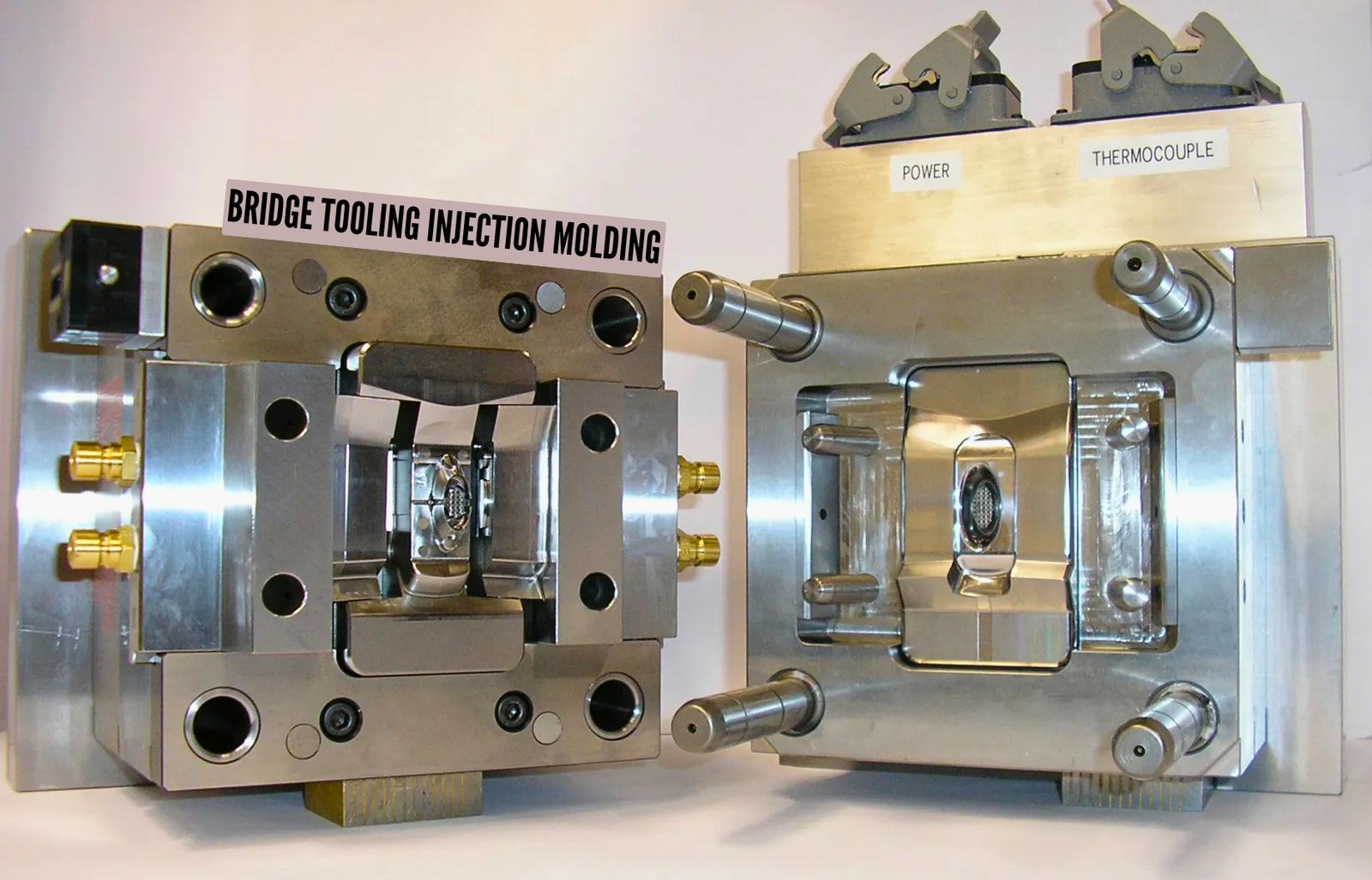
Bridge tooling injection molding is an important manufacturing process that helps companies move smoothly from product prototypes to final production. It works as a middle step between testing a design and creating expensive permanent production molds.
When businesses develop a new product, they need to make sure the design works correctly before investing large amounts of money. Traditional production tooling can be costly and time-consuming, especially when changes are still required. Bridge tooling provides a practical solution by allowing manufacturers to create real parts, test performance, and improve designs before mass production begins.
This manufacturing approach is widely used in industries such as automotive, medical devices, electronics, aerospace, and consumer products. It helps companies save time, reduce development risks, and bring new products to the market faster.
What Is Bridge Tooling?
Bridge tooling injection molding refers to the process of creating temporary molds that are used to manufacture functional plastic parts before final production tooling is developed.
Unlike simple prototypes created through 3D printing or other methods, bridge tooling produces parts using the actual injection molding process. This means manufacturers can test real materials, surface finishes, product strength, and overall performance.
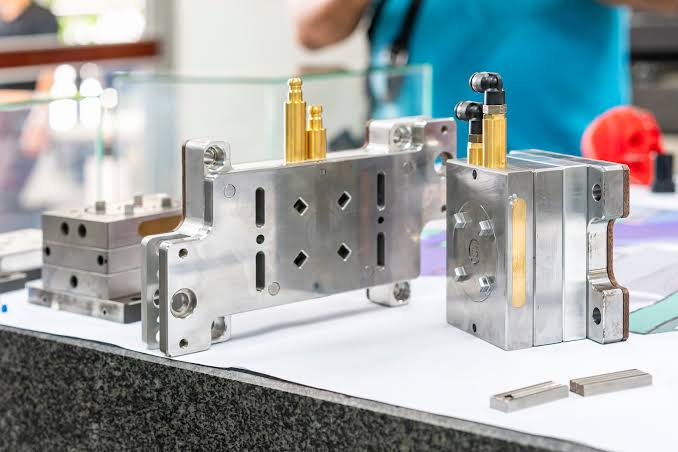
The molds used in this process are usually made from aluminium or softer steel. These materials are faster and more affordable to machine compared with hardened production steel. Although they are not designed for millions of cycles, they can produce enough parts for testing, customer samples, and early production needs.
The main goal is to create a connection between product development and full manufacturing. This allows companies to make better decisions before making a major investment.
| Topic | Details |
|---|---|
| Name | Bridge Tooling Injection Molding |
| Category | Manufacturing & Plastic Injection Molding |
| Main Purpose | Connects prototype development with final production |
| Process Type | Temporary / Rapid Injection Molding |
| Common Mold Materials | Aluminium and Soft Steel |
| Production Volume | Small to Medium Quantity Runs |
| Main Industries | Automotive, Medical, Electronics, Aerospace, Consumer Products |
| Key Benefits | Lower cost, faster production, real material testing |
| Used For | Product testing, design validation, early manufacturing |
| Compared With | Permanent Production Tooling |
| Typical Part Materials | ABS, Polypropylene, Polycarbonate, Nylon, TPU |
| Main Advantage | Reduces risk before mass production |
| Development Stage | Between Prototype and Full Production |
| Technology Used | CAD Design, CNC Machining, Injection Molding |
| Tool Life | Limited compared with production molds |
How the Process Works
The process begins with a detailed product design created using CAD software. Engineers study the design carefully to ensure that the part can be manufactured successfully.
Important factors such as wall thickness, material selection, cooling channels, and part structure are reviewed during this stage. Making improvements early helps prevent expensive problems later.
After the design is approved, a temporary mold is created using advanced machining techniques. CNC machining is commonly used because it provides accuracy and allows faster mold production.
Once the mold is ready, plastic material is heated until it becomes liquid. The melted material is injected into the mold cavity under controlled pressure. After cooling, the finished part is removed and inspected.
Through bridge tooling injection molding, manufacturers can evaluate real production parts before moving to large-scale manufacturing. This testing stage helps identify design problems and improve product quality.
Benefits of Bridge Tooling
One of the biggest advantages of bridge tooling injection molding is cost savings. Creating permanent production molds requires a large investment, and making changes after production begins can be expensive.
Bridge tooling offers a lower-cost alternative for companies that need functional parts without immediately committing to high-volume manufacturing.
Another important benefit is faster development. Businesses today need to introduce products quickly to remain competitive. Temporary tooling allows companies to produce parts within a shorter time frame compared with traditional mold production.
This method also supports better design decisions. Engineers can test product shape, material performance, durability, and functionality using actual molded components.
For startups and businesses developing new products, this approach reduces financial risk and provides valuable information before large investments are made.
Material Testing and Product Improvement
A major reason companies choose bridge tooling injection molding is the ability to test real production materials.
Prototype methods may show the general appearance of a product, but they do not always provide accurate information about strength, flexibility, heat resistance, or long-term performance.
With bridge tooling, manufacturers can use materials that are similar or identical to those planned for final production. This allows engineers to understand how the product will perform in real conditions.
For example, an electronics company can test whether a plastic housing protects internal components properly. A medical device company can check whether a component meets performance requirements before final approval.
This realistic testing process helps improve product reliability and reduces manufacturing problems.
Common Applications
Bridge tooling injection molding is used across many industries because it provides flexibility during product development.
In the automotive industry, manufacturers use bridge molds to create interior parts, covers, clips, and functional components for testing. These parts help engineers check design accuracy before vehicle production.
Medical companies use this process to produce limited quantities of devices and components during development stages. Since medical products require strict quality standards, realistic testing is extremely valuable.
Electronics manufacturers also benefit from this method when creating product cases, connectors, and structural components. They can review appearance and performance before large-scale production.
Consumer product companies often use bridge tooling for market testing. Producing early units allows businesses to collect customer feedback and improve their products.
Bridge Tooling Compared With Production Tooling
Although both processes use injection molding, their purposes are different.
Production tooling is designed for high-volume manufacturing and long-term use. These molds are usually made from hardened steel and can produce large quantities of identical parts.
Bridge tooling focuses on flexibility, speed, and lower costs. It is suitable for small and medium production runs where companies need quality parts before investing in permanent tooling.
The decision between these two methods depends on the product stage. Early development usually benefits from temporary tooling, while successful products with high demand require production molds.
Limitations of Bridge Tooling
While bridge tooling injection molding provides many advantages, it also has some limitations.
The biggest limitation is tool lifespan. Temporary molds are not designed for extremely high production volumes. Companies producing millions of parts may need permanent tooling for better efficiency.
Another limitation is that some complex designs may require adjustments before they can be produced using bridge molds. Engineers must review the product carefully to ensure the design is suitable.
However, for companies that need fast development and reliable testing, bridge tooling remains a valuable manufacturing option.
Future of Faster Manufacturing
Modern industries continue to search for faster and more affordable manufacturing solutions. As product development becomes more competitive, companies need ways to reduce costs while maintaining quality.
Bridge tooling injection molding continues to support this goal by providing a practical connection between prototypes and final production.
Advancements in machining technology, software simulation, and material development are making the process even more effective. Businesses can now test products faster, improve designs more efficiently, and reduce development challenges.
Conclusion
Bridge tooling injection molding is a powerful manufacturing solution that helps companies create high-quality parts before investing in full-scale production tooling. It provides an effective balance between speed, cost, and product testing.
By allowing manufacturers to evaluate real materials, improve designs, and produce limited quantities, bridge tooling reduces risks and supports better product development decisions.
For businesses creating new products, this method offers a smart pathway from early concepts to successful manufacturing. It continues to play an important role in industries where innovation, efficiency, and quality are essential.
