

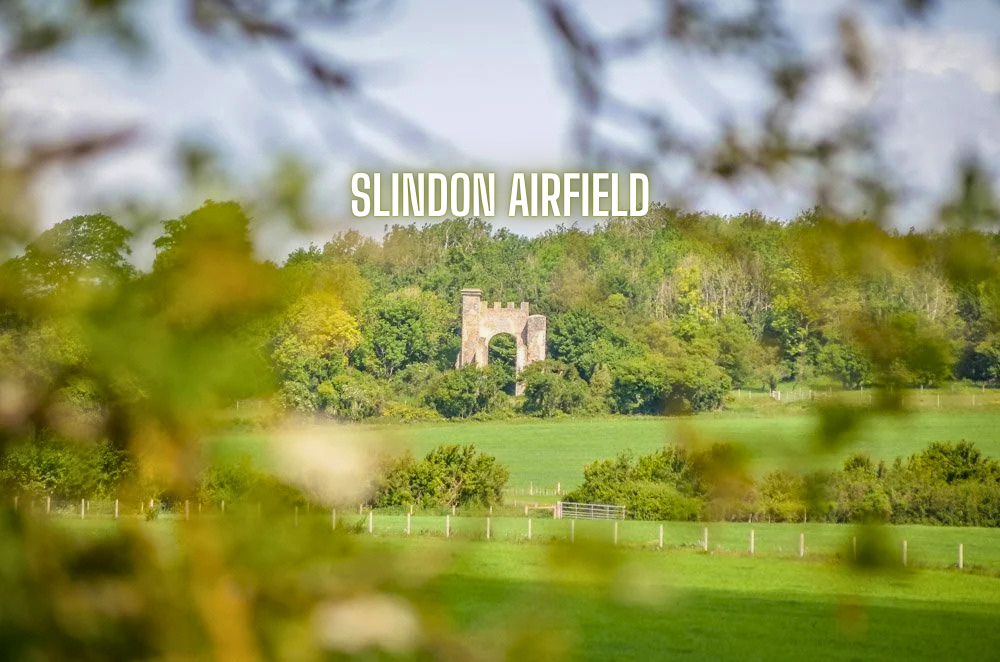
Slindon Airfield is a fascinating historical location that reflects Britain’s wartime aviation history. Located near the village of Slindon in West Sussex, this site is connected with military airship operations during the First World War and a clever decoy airfield strategy used during World War Two.
The area shows how peaceful countryside locations became important during times of conflict. From monitoring coastal waters to protecting important RAF stations, the site played a small but meaningful role in Britain’s defence plans.
Early History and Background
The aviation story of this area began during the First World War when an airship station was created as part of Britain’s coastal defence network. Airships were useful because they could stay in the sky for long periods and observe large areas.
The location was chosen because of its position in West Sussex, close to the English Channel. This allowed military forces to monitor coastal activity and support naval operations during a time when enemy submarines threatened British ships.
Unlike modern airports, the site was not built for passengers or commercial flights. It was created for military purposes, using the surrounding countryside as a suitable place for defence activities.
The Role of Slindon Airfield in World War Two
During World War Two, Slindon Airfield became linked with a special military plan involving a fake airfield. The Gumber site on the Slindon Estate was developed as a decoy location designed to confuse enemy bombers.
The aim was to make German aircraft believe they had found a real RAF station. By creating a false target, British forces hoped to protect important operational airfields from bombing attacks.
The decoy site used different techniques to look realistic from above. Lights, structures, and other features were arranged to create the appearance of normal aviation activity.
This approach showed how planning and intelligence were important parts of wartime defence, not just weapons and aircraft.
How the Decoy Airfield Worked
The success of the site depended on convincing enemy pilots that it was a genuine military base. During nighttime bombing missions, identifying locations from the air was difficult.
British planners used carefully designed features to create an illusion of activity. The fake installation needed to look believable while avoiding signs that could reveal its true purpose.
The strategy was based on deception rather than direct combat. By distracting enemy aircraft, the site helped reduce the risk of attacks on real military facilities.
This clever method demonstrated the creativity and problem-solving skills used during wartime.
Location and Natural Beauty
The historic area is part of the wider Slindon Estate, which is known for its woodland, farmland, and beautiful countryside views. Today, the landscape is peaceful and very different from its wartime past.
Visitors can explore walking routes while learning about the hidden history of the area. The combination of nature and heritage makes the location interesting for both history lovers and outdoor visitors.
Over time, many former military areas have returned to nature. Trees and plants now grow around places that once supported important defence activities.
Historical Importance of Slindon Airfield
The importance of Slindon Airfield comes from its connection with different periods of aviation history. It represents the development of military aviation from early airship observation to advanced deception methods.
Many smaller wartime sites across Britain have been forgotten, but locations like this help historians understand how ordinary landscapes became part of national defence systems.
The site also highlights the contribution of local people and landowners who supported wartime activities. Although it was not a famous battlefield, it was part of a wider effort to protect Britain.

Why Visitors Find It Interesting Today
Today, the historic site attracts people interested in aviation, military history, and countryside exploration. Many visitors are surprised to discover that such important wartime activities happened in a quiet rural area.
The location provides a chance to learn about a lesser-known part of British history. It shows how technology, planning, and creative thinking helped during difficult periods.
Nature lovers can also enjoy the surrounding estate, which offers peaceful walks and scenic views.
Preservation and Heritage Value
Protecting historic locations is important because evidence of the past can disappear over time. Buildings may be removed, landscapes may change, and memories can fade.
The connection between Slindon Airfield and heritage research helps keep its story alive. Historical records and conservation work allow future generations to understand its importance.
The site teaches valuable lessons about wartime challenges and the creative solutions developed to overcome them.
Interesting Facts About the Site
The area has connections with both World War One and World War Two aviation activities.
The decoy airfield was not built for normal flying operations but was created to mislead enemy aircraft.
The countryside location provided privacy and enough space for hidden defence work.
Although aircraft no longer operate there, the historical importance of the site continues to attract researchers and visitors.
Exploring the Area Today
Visitors exploring Slindon can enjoy countryside walks while discovering stories from the past. Although there is no active runway today, the history of the location remains an important part of local heritage.
The area offers a unique experience where visitors can enjoy natural beauty while learning about wartime events.
Places like this remind us that important historical stories are often found in quiet locations away from famous landmarks.
Conclusion
Slindon Airfield represents an important chapter in British aviation history. From early airship activities to the World War Two decoy strategy, it shows how innovation and careful planning helped protect the country.
Although the original military operations have ended, the story of this historic location continues to interest visitors and historians.
The site remains a reminder of Britain’s wartime creativity, the importance of hidden defence locations, and the people who contributed to national protection in meaningful ways.
FAQs
Q: What is Slindon Airfield?
A: Slindon Airfield was a historic military site in West Sussex connected with wartime airship operations and a World War Two decoy airfield.
Q: When was Slindon Airfield used?
A: Slindon Airfield was linked with aviation activities during the First World War and later used for a decoy operation during World War Two.
Q: Why was Slindon Airfield important?
A: Slindon Airfield helped support Britain’s defence by providing coastal observation and confusing enemy bombers through deception methods.
Q: Where is Slindon Airfield located?
A: Slindon Airfield is located near Slindon village in West Sussex, England, within the historic Slindon Estate area.
Q: Can visitors explore Slindon Airfield today?
A: Visitors can explore the surrounding Slindon Estate and learn about the site’s fascinating aviation and wartime history.
